Translated with AI








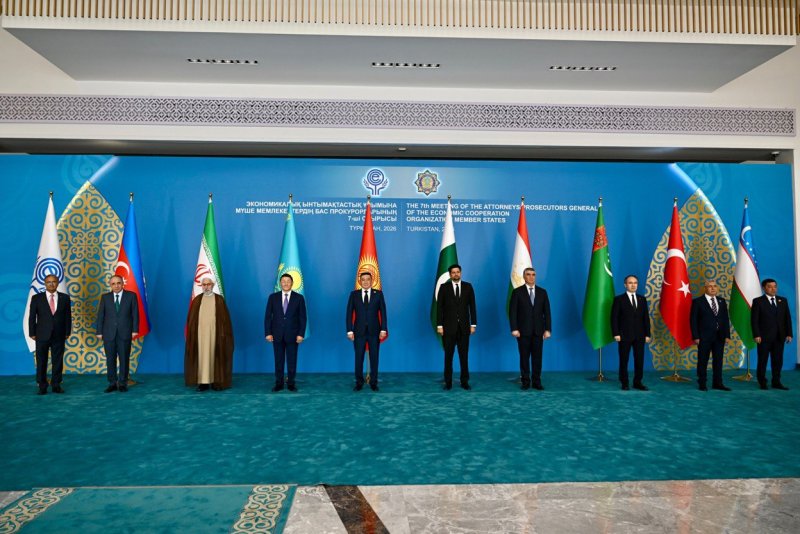






















On October 14, 2022, the Council of Heads of State of the Commonwealth of Independent States decided to declare 2026 the Year of Health in the CIS. This decision aims to consolidate the efforts of Commonwealth member states in preserving and improving public health.
The tradition of declaring thematic years in the CIS, dating back to 1999, promotes the development of humanitarian cooperation within the Commonwealth by focusing on priority areas and implementing joint programs and plans. This year's thematic year is dedicated to health care as a key factor in the sustainable socioeconomic development of states.
Healthcare is considered a crucial aspect of national security in the CIS countries, without which it is impossible to ensure national stability, preserve intellectual potential, and improve the population's quality of life. Therefore, the national policies of the Commonwealth member states are focused on increasing population size and life expectancy, reducing mortality and disability rates, improving the accessibility and quality of medical care, and upholding citizens' rights in the area of healthcare.
The document notes that the modern healthcare system is actively integrating innovations from other sectors of the economy. Value-based and cost-effective financial approaches, transparent mechanisms for providing medical services, and marketing tools have become widespread. Telemedicine, rapid diagnostics, and projects based on artificial intelligence have seen significant development.
Large-scale digitalization has become an integral part of healthcare development, impacting all key aspects of the industry—from diagnostics and treatment to resource management. The use of artificial intelligence, telemedicine technologies, and big data analysis opens up new opportunities to improve the quality and accessibility of medical care for the population.
Various healthcare system models have been developed in the CIS member states, taking into account national characteristics of financial resource allocation and the organization of medical care. A number of countries have implemented mixed healthcare models and mandatory health insurance systems, expanded the economic autonomy of medical institutions, and developed a market for medical services. At the same time, there remains a strong interest in developing cooperation and sharing best practices in healthcare.
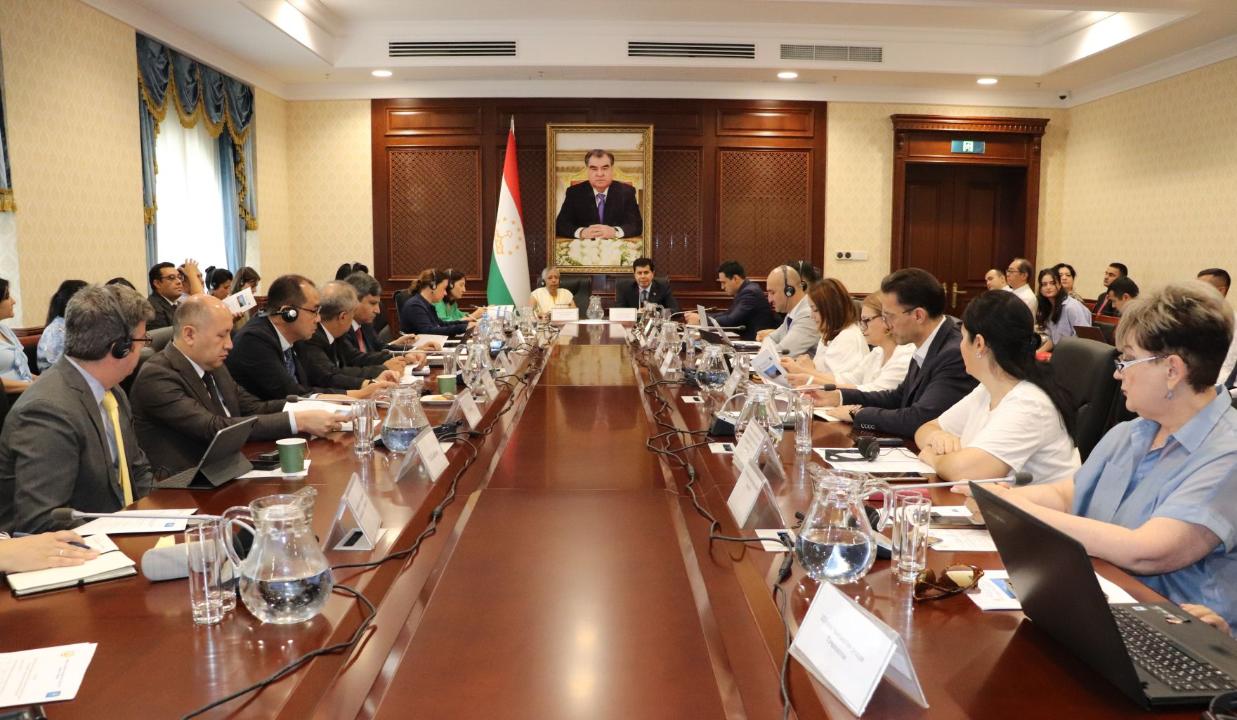
Experts from the Commonwealth countries have developed an Action Plan for the preparation and implementation of the Year of Health in the CIS in 2026. The document's primary goal is to develop a unified approach to maintaining citizens' health, expand the exchange of best practices and scientific developments, conduct joint events, and develop international cooperation, including with the World Health Organization.
The plan includes activities at the interstate and national levels and consists of 10 sections comprising approximately 100 measures. Priority areas include improving the CIS regulatory framework in healthcare, developing cooperation with the World Health Organization, and holding events on the sidelines of WHO governing body meetings.
A significant section of the document is devoted to the prevention of non-communicable diseases, improving primary health care, and conducting joint scientific research, conferences, congresses, and forums. Information exchange and experience sharing on the implementation of advanced innovative technologies in healthcare are planned, as well as the development of cooperation within the framework of basic and specialized organizations in the CIS countries.
Particular attention is paid to ensuring the sanitary and epidemiological well-being of the population and the development of comprehensive cooperation in the prevention and elimination of sanitary and epidemiological emergencies in the territories of the Commonwealth member states.
A key focus of the Plan is the training, retraining, and professional development of medical personnel. It includes the development and implementation of joint educational programs, an International Competition for Young Leaders and Healthcare Organizers, and the implementation of international scientific and educational projects for young researchers from the CIS countries.
Furthermore, the document includes measures to implement modern digital healthcare solutions and develop cross-border telemedicine consultations for citizens of the Commonwealth member states. A separate section is devoted to supporting and motivating the population to lead a healthy lifestyle.
The Year of Healthcare in the CIS countries is expected to include joint scientific and practical events, conferences, congresses, and exhibitions of new medical technologies, as well as the implementation of telemedicine programs, remote diagnostics, and other initiatives aimed at improving public health.