Translated with AI


































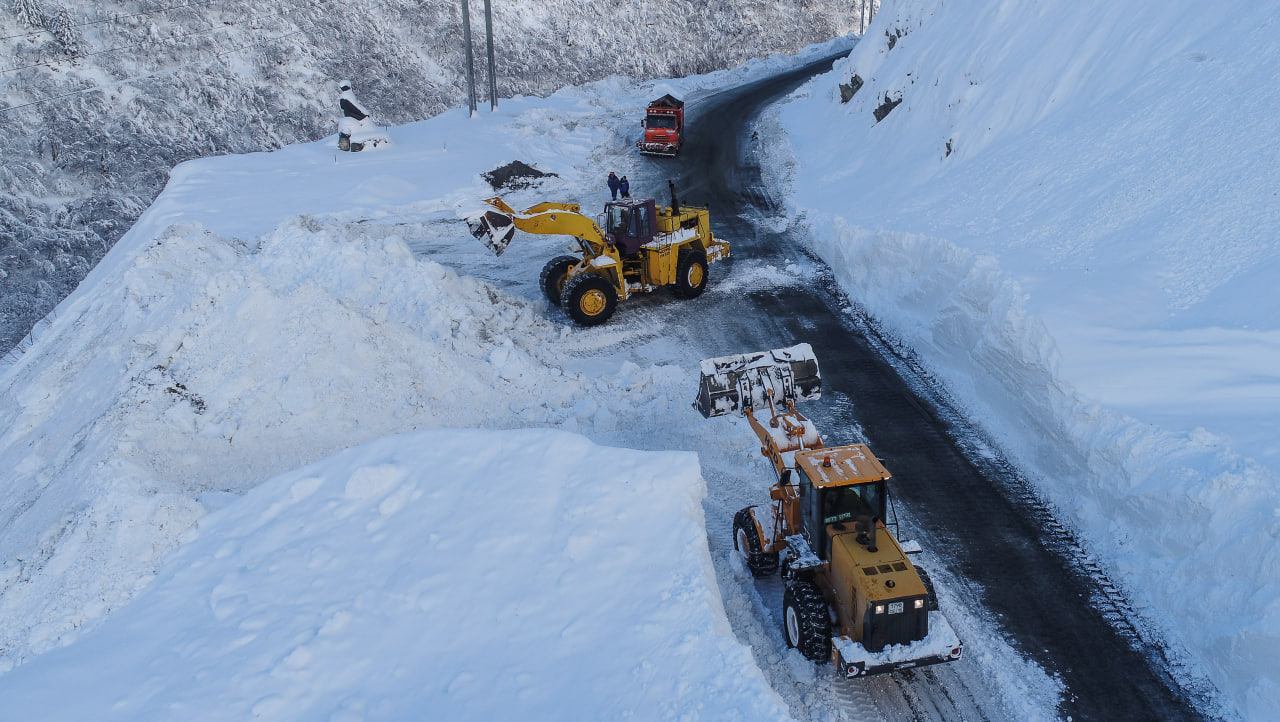
In the first half of January 2026, Tajikistan is expected to experience sharp temperature fluctuations, increasing the risk of avalanches on roads, according to the Ministry of Transport of the Republic of Tajikistan, citing the Agency for Hydrometeorology of the Committee for Environmental Protection under the Government of the Republic of Tajikistan.
According to meteorologists, after the cold first few days of January, relatively warm weather is expected across most of the country. Average monthly temperatures are expected to be 1–2 degrees above normal, with precipitation below normal in some places.
Sharp temperature fluctuations are caused by the country's continental climate and complex topography, including mountainous areas, hills, ravines, and slopes, which influence temperature redistribution, contributing to the formation of fog. These fluctuations are most often recorded from mid-December to early April, when snowfall is heavier and the rapid transitions between warm weather and severe frosts intensify, disrupting the balance of snow cover and facilitating avalanches.
Avalanches are most likely in mountainous and high-altitude areas. The main hotspots are located in the western regions of the Gorno-Badakhshan Autonomous Region, where high mountains, snow-covered slopes, and domestic and international highways are found. A high avalanche risk also exists in the mountainous areas of the Sughd Region, including the Ayni, Shakhristan, and Mastchoh districts, as well as in mountainous areas of the DRP, such as the Romit Gorge, Faizabad, and Varzob (Dushanbe-Chanak road).
The Ministry of Transport of the Republic of Tatarstan has instructed all road transport companies to be prepared for any weather conditions, keep winter road maintenance equipment on hand, and take all measures to ensure uninterrupted and safe traffic.
The agency recommends that drivers replace summer tires with winter tires, obey traffic rules, maintain safe speed limits and distances, avoid driving into oncoming traffic, and not interfere with anti-skid coating equipment. For safety, drivers should avoid driving in adverse weather conditions and be aware of avalanche hazards.