Translated with AI


















As China enters 2026, the first year of its 15th Five-Year Plan (2026–2030), it continues to pursue sustainable economic development, drawing on long-term historical cycles and the country's strategic guidelines, according to the Global Times.
In Chinese practice, five-year plans are viewed not as declarations of intent or paper projects, but as guidelines that help maintain course in a rapidly changing global environment. "A strong foundation is the key to a stable home," the publication notes, emphasizing the country's philosophy in planning and implementing economic and social transformations.
The author, a professor at the Academy of Public Administration under the President of the Republic of Tajikistan and former Secretary-General of the Shanghai Cooperation Organization, notes that confidence in China's economic prospects at the beginning of 2026 is based not only on the achievements of previous years, but also on a millennia-old philosophy that development is a consistent movement toward goals, not a sudden leap or a race for indicators.
The Chinese economy combines growth with social stability and responsibility to future generations. At the same time, the Chinese Communist Party openly acknowledges existing problems and vulnerabilities in the country's development, turning them into a subject of analysis and practical reform. According to the author, the strength of the Chinese model lies not in concealing difficulties, but in the ability to manage them.
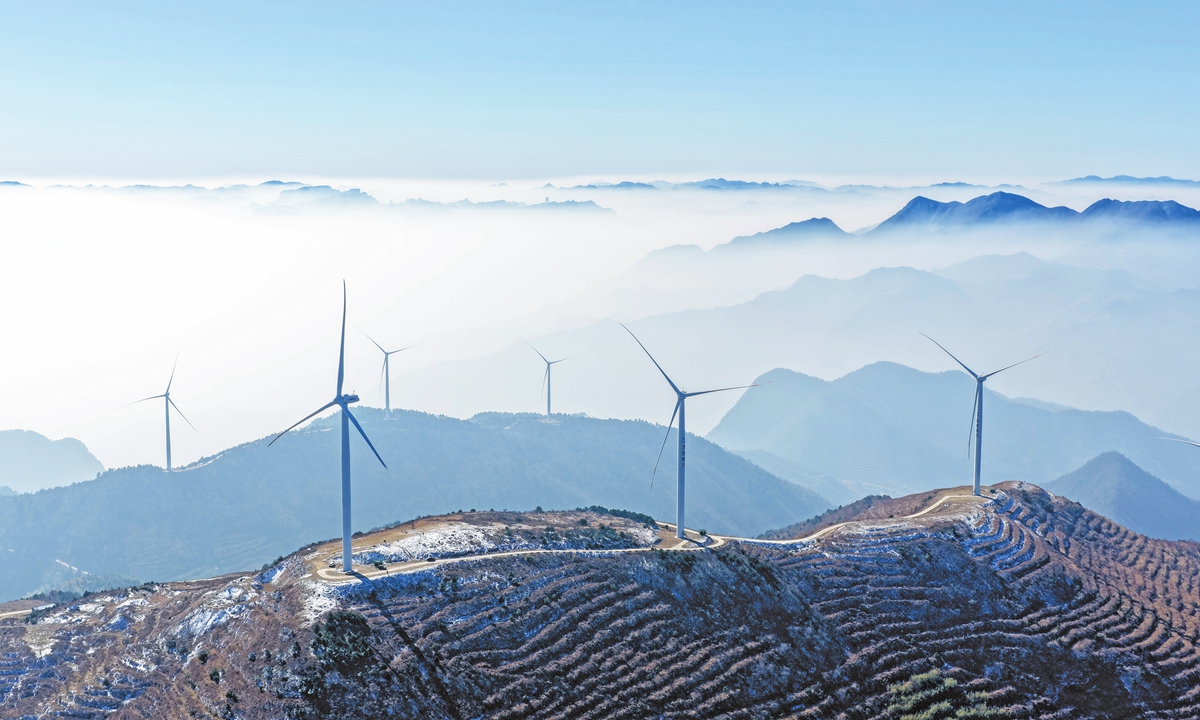
Particular attention is being paid to environmental transformation and the development of green energy. Between 2021 and 2025, China became the global leader in renewable energy, with its installed solar power capacity exceeding half the global total. Environmental responsibility is gradually becoming the norm in society, and green energy is present in all areas of life—from motorcycles and cars to large-scale solar and wind farms.
At the same time, the country is actively developing its digital economy, e-commerce, logistics, smart manufacturing, artificial intelligence, and robotics. In 2025, the Chinese AI product DeepSeek became one of ChatGPT's main competitors, with a significant portion of its functionality available free to end users. This expands access to advanced technologies and narrows the global technological gap, especially for developing countries.
China's transition from high-speed to high-quality growth underscores the country's focus on sustainable development, the long-term impact of economic and social transformation, and shared development with other countries. In this context, the Belt and Road Initiative plays a key role. Central Asia, including Tajikistan, has experienced the positive effects of participating in the project: the region has become part of global trade routes, and China has become a major trading partner and investor. By mid-2025, Chinese investment in Central Asian countries reached $36 billion, creating a long-term multiplier effect on the region's economy.
Against the backdrop of global instability, the Shanghai Cooperation Organization (SCO), which turns 25 in 2026, is acquiring particular significance. The SCO is seen as a structure capable of becoming a pillar of a new architecture of international relations. The SCO Development Strategy to 2035, adopted at the Tianjin Summit on September 1, 2025, creates the conditions for the formation of a more equitable system of global governance.
Thus, China enters the new five-year cycle without illusions, with a realistic assessment of the challenges and a clear strategy focused on sustainable domestic development and cooperation with other countries. Its philosophy of the path, pragmatism, and attention to long-term consequences make China's course significant not only for the country but for the entire world.