Translated with AI




























Electricity demand in Tajikistan will increase by 6.1 billion kWh in the coming years, or 31% compared to 2025, according to a forecast from the country's Ministry of Energy and Water Resources.
According to the agency, the increase in electricity consumption is due to the rapid development of the national economy, the growth of production capacity in the processing industry, the growing population, and the emergence of electric vehicles.
The Ministry also noted a 3% reduction in electricity losses in the first ten months of this year compared to 2024.
The ministry noted the impact of climate change and declining river water levels on the sustainable development of the energy sector. "Climate change has become one of the most serious threats. Effective measures must be taken to adapt to these processes, strengthen existing infrastructure, and improve the efficiency of energy system management," the Ministry of Energy stated.
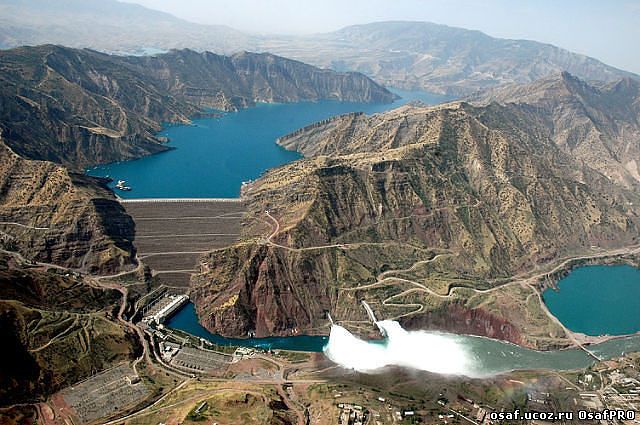
Over 95% of the country's electricity is generated by hydroelectric power plants, so considering climate risks and adapting energy infrastructure are of strategic importance. Declining water levels in reservoirs complicate the power supply situation, especially during peak demand periods in autumn and winter.
Experts noted that achieving 3% energy efficiency by 2030 will save 3.6 billion kWh, which is equivalent to the annual production volume of Sangtuda-1 and Sangtuda-2.
The Ministry considers the implementation of measures to improve the efficiency of water resource use, the introduction of accurate metering technologies, water conservation management in reservoirs, and the improvement of the early warning system for water and climate risks to be priority tasks for the energy sector.
Speaking to parliament, Tajik President Emomali Rahmon noted that over the past 10 years, the country has increased electricity production by 7 billion kWh, or 40%, and promised to lift energy caps by 2027.