Translated with AI
































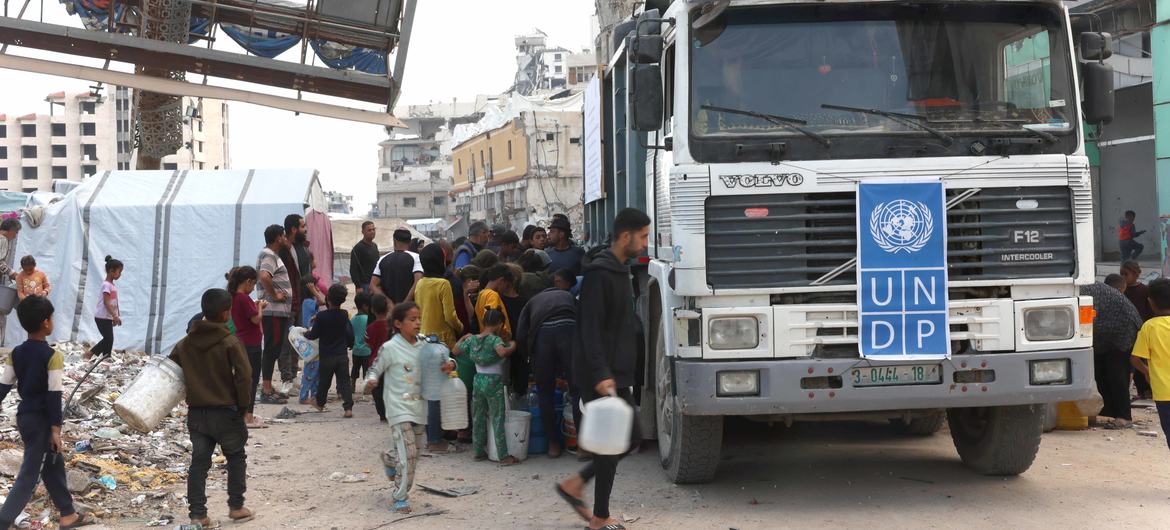
Humanitarian aid operations in the Gaza Strip could be on the brink of collapse unless Israel immediately lifts restrictions blocking the activities of international non-governmental organizations, according to a warning issued by UN humanitarian agencies operating in the occupied Palestinian territories.
The international community is called on to seek an end to measures that impede humanitarian activities in the occupied Palestinian territories, particularly in the Gaza Strip, a humanitarian group representing UN agencies and more than 200 local and international organizations said in a statement on Tuesday.
The document notes that the key problem is the registration system for international non-governmental organizations, introduced earlier this year. Humanitarian agencies assess the current registration procedure as politicized, insufficiently defined, and effectively impossible to implement without violating fundamental humanitarian principles.
According to the statement, dozens of international organizations risk losing their registration by the end of December. As a result, they may be forced to cease their operations within the next few weeks. Humanitarian officials emphasize that the work of these organizations is vital for the people of the Gaza Strip.
International non-governmental organizations, working with UN agencies and local partners, provide approximately $1 billion in humanitarian aid annually throughout the occupied Palestinian territories.
The statement also notes that the consequences of the possible closure of international NGOs cannot be compensated for by either UN structures or local organizations, especially given the restrictions imposed by Israel on the United Nations Relief and Works Agency for Palestine Refugees in the Near East.
According to the humanitarian group, international NGOs maintain much of the Gaza Strip's basic infrastructure. They operate field hospitals and medical centers, ensure access to clean water and sanitation, provide emergency shelter, and assist children suffering from severe malnutrition.
Humanitarian agencies warn that if international NGOs leave the Gaza Strip, one in three medical facilities will close almost immediately, cutting off care for tens of thousands of patients.
Humanitarian officials reported that they had repeatedly raised these concerns with Israeli authorities and attempted to find practical solutions to continue humanitarian operations. However, they stated that the situation remains unchanged, and the cessation of international non-governmental organizations' activities is becoming inevitable.
UN agencies stressed that ensuring humanitarian access is an obligation under international law and cannot be seen as a political choice.
The heads of humanitarian organizations called on Israel to facilitate the rapid and unimpeded delivery of aid and to ensure independent and safe conditions for humanitarian personnel to operate. The statement noted that without urgent action, the consequences for civilians in the Gaza Strip will be catastrophic.
"Vital aid must be made available to Palestinians without further delay," the document emphasizes.