Translated with AI

































Almost all of Tajikistan's electricity—98 percent—is generated from renewable sources. This was announced by Tajik Prime Minister Kokhir Rasulzoda during the Second International Mining and Metallurgical Forum held in Dushanbe, according to the press service of the CIS Executive Committee.
According to the head of government, with the development of a green economy, the introduction of digital technologies, e-commerce, the use of robotics, and other modern technological capabilities, demand for strategic mining resources in the country is rapidly growing.
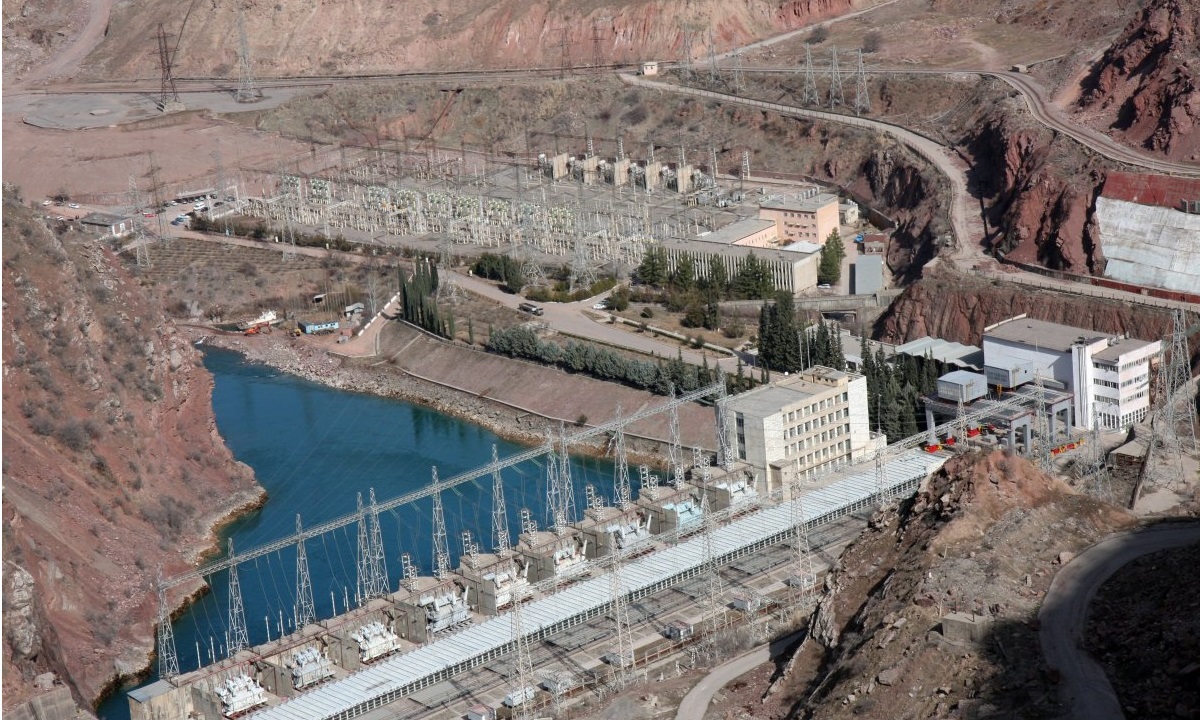
"Tajikistan, with its abundant natural resources, particularly green energy sources and mineral reserves essential for a green transition, is capable of making a significant contribution to the region's sustainable development. Today, 98 percent of the country's electricity comes from renewable sources. We intend to increase this figure, achieving 100% green energy generation by 2032," the Prime Minister emphasized.
He noted that the 3,600-megawatt Rogun hydroelectric power station is a prime example of a large, multi-purpose regional project. However, only about 5 percent of the country's hydroelectric potential is currently being utilized, opening up significant opportunities for investment cooperation in the remaining 95 percent, as well as in the development of solar and wind energy.
Kokhir Rasulzoda emphasized that the government provides broad guarantees and preferences for investors, creating a favorable environment for their activities. Current legislation provides for over 240 types of guarantees and benefits, including over 110 tax and customs exemptions. The country has five free economic zones offering a comfortable business environment for foreign investors and entrepreneurs.
Furthermore, Tajikistan's stable macroeconomic indicators create favorable conditions for long-term investment: the gross domestic product growth rate has remained at 8 percent in recent years, and inflation does not exceed 4 percent.
The Prime Minister also noted that the country has key components of the value chain: raw materials, production, processing, and export of products. This opens up opportunities for the creation of enterprises for deep processing and the production of high-value-added products.