Translated with AI

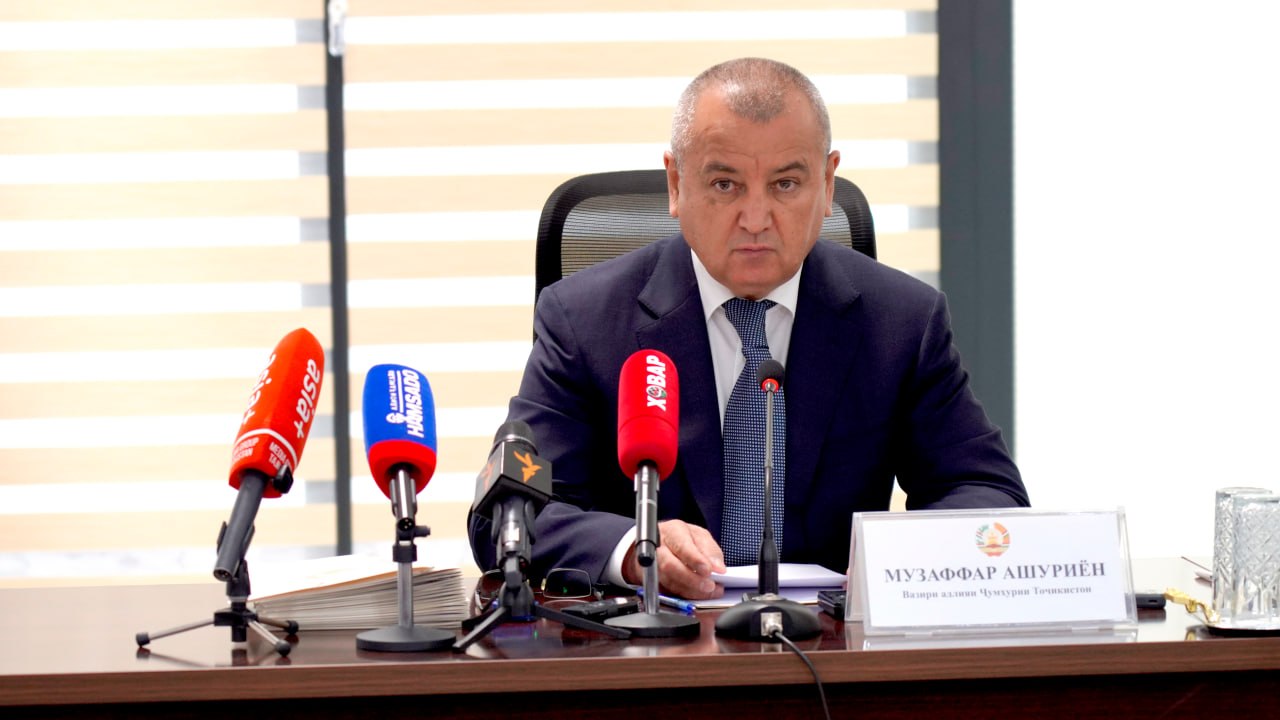
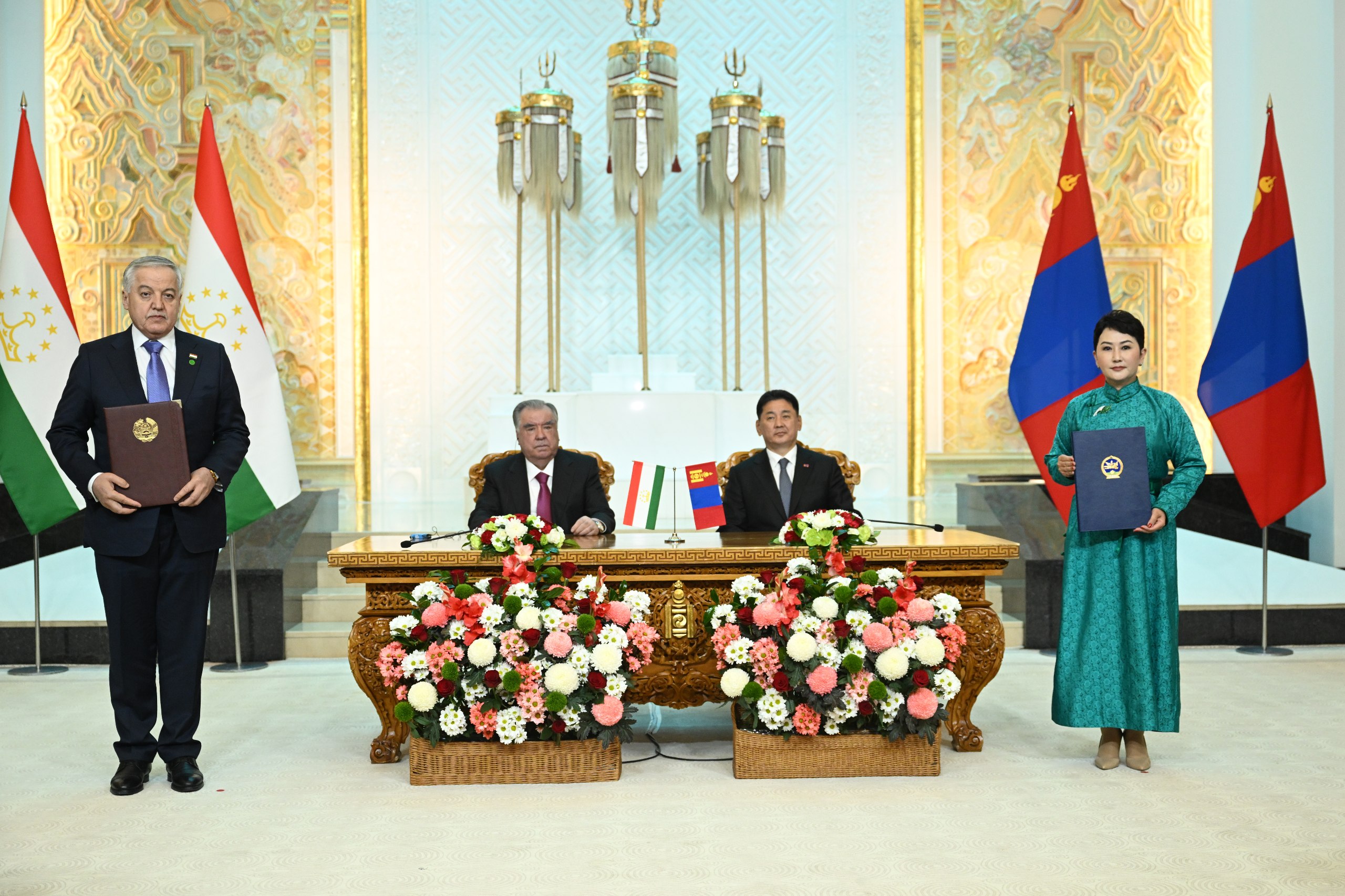
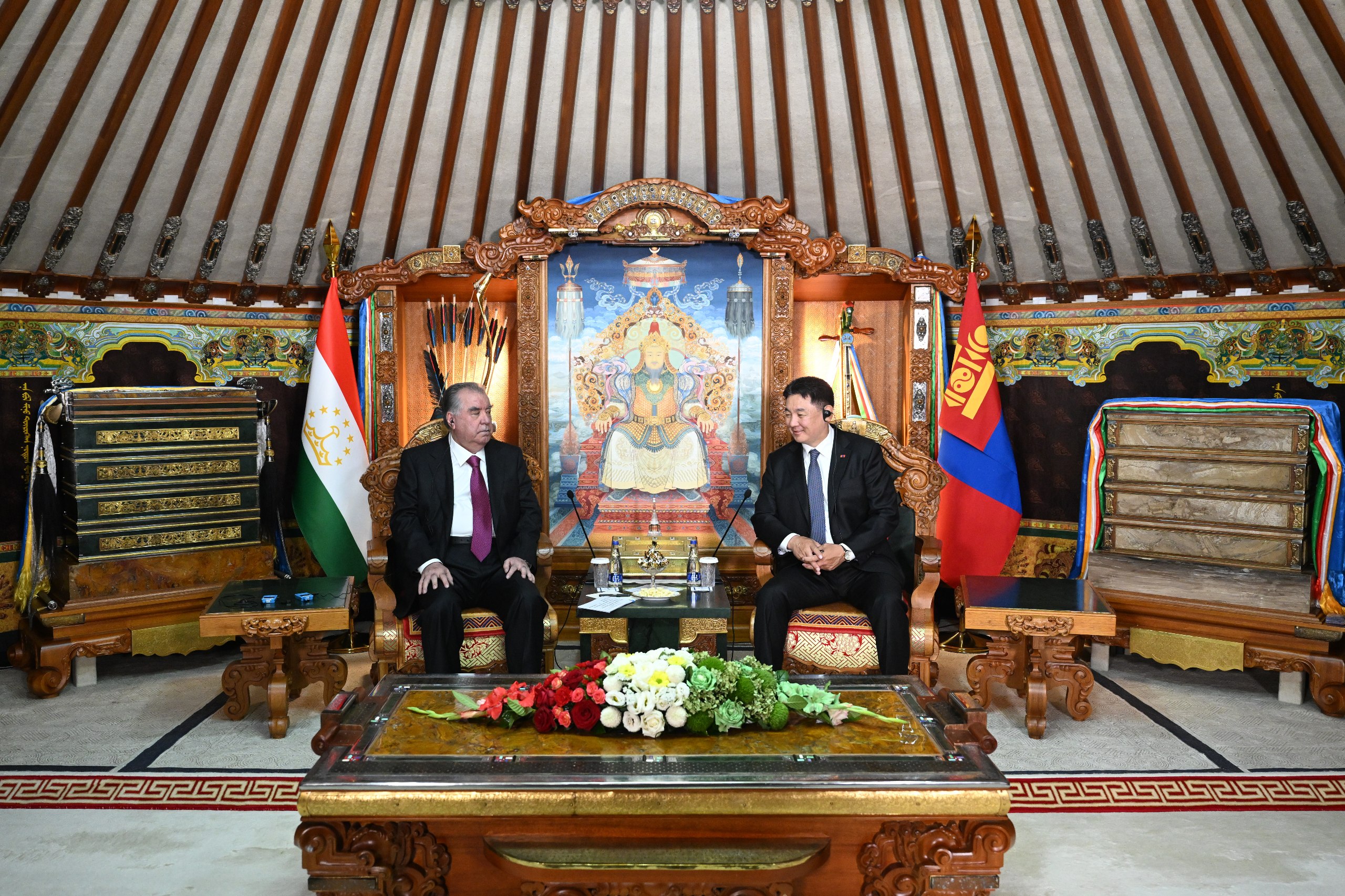

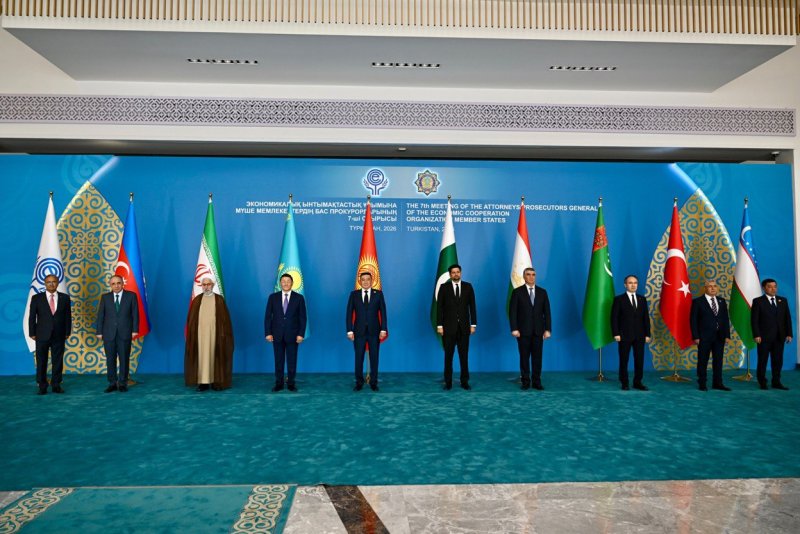
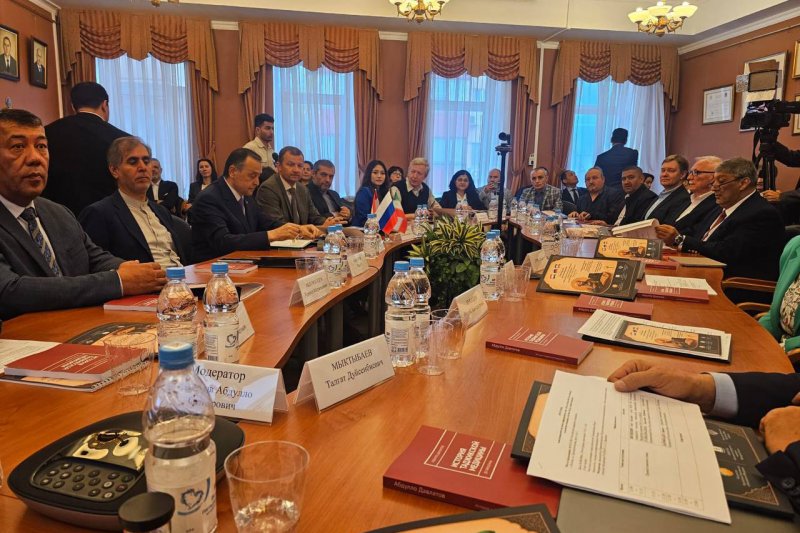



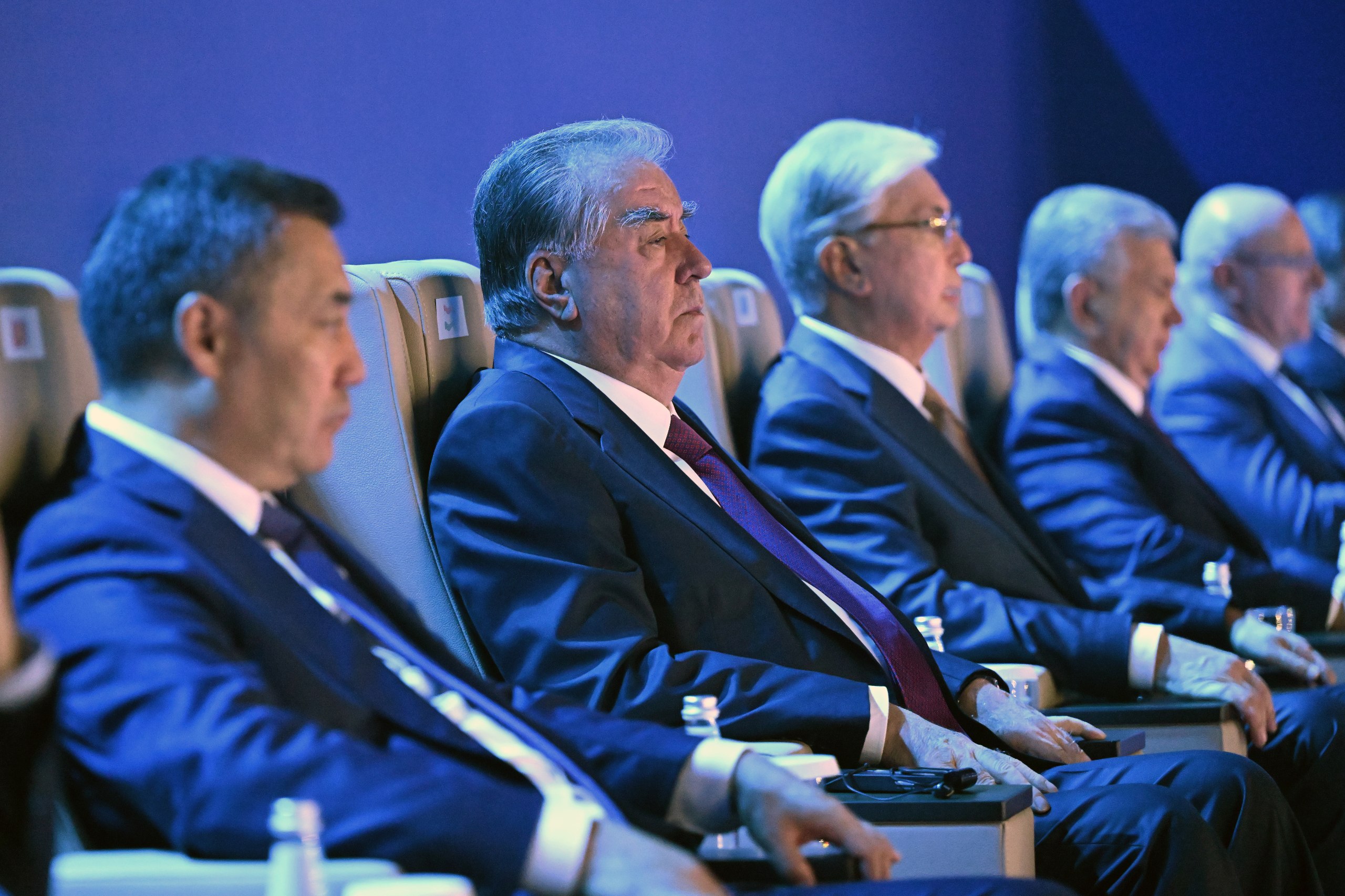


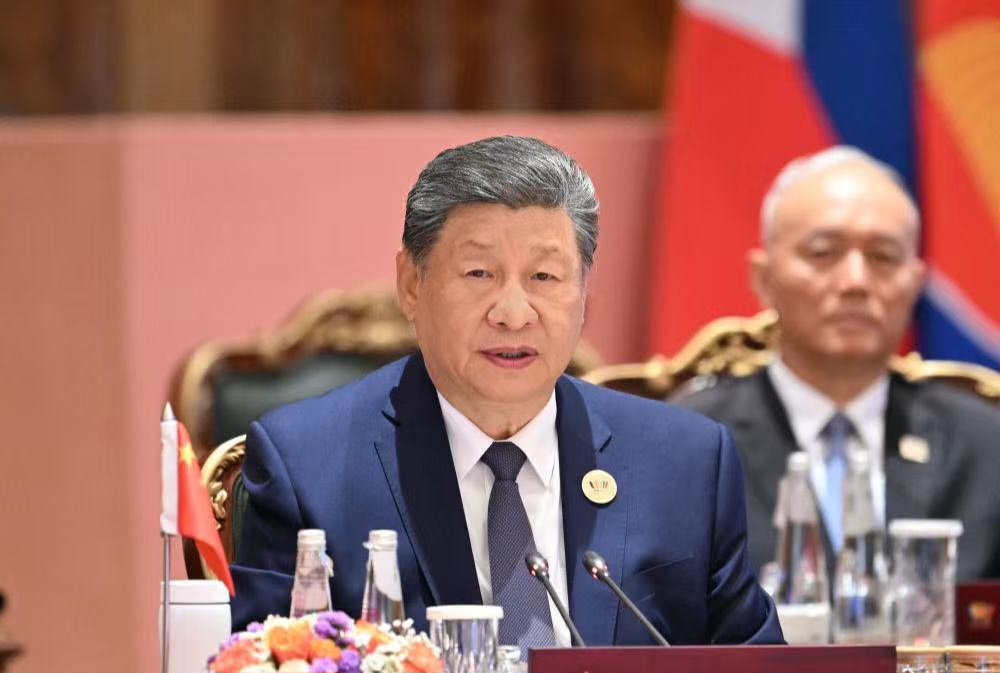
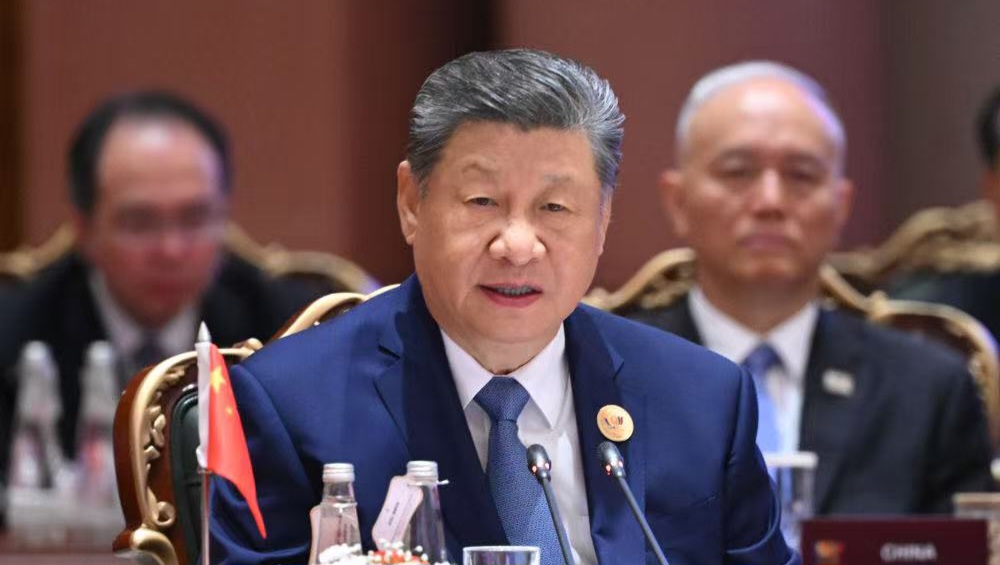



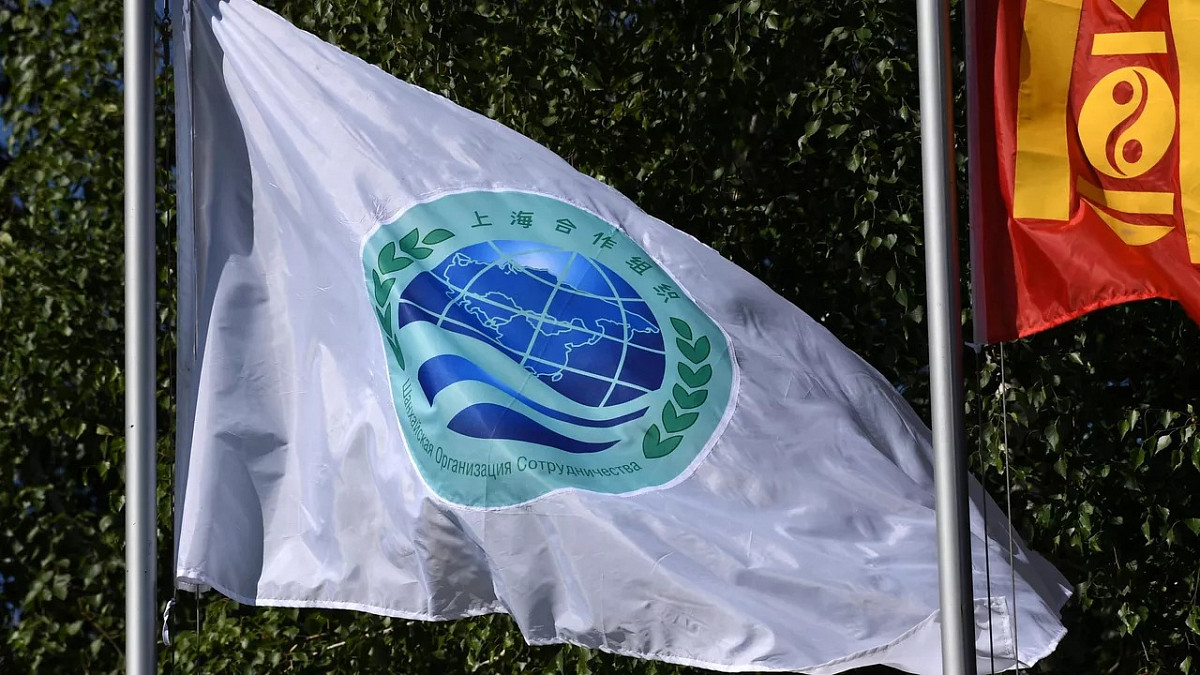
The Shanghai Cooperation Organization (SCO) member states have agreed to strengthen cooperation in trade, economic, cultural, and humanitarian spheres. The relevant provisions are contained in a joint communiqué following the 24th meeting of the SCO Heads of Government Council, chaired by Russian Prime Minister Mikhail Mishustin at the Rossiya National Center. The meeting marked the final event of Russia's chairmanship of the SCO Heads of Government Council in 2024–2025, according to the CIS Executive Committee press service.
The document emphasizes the need to develop transport potential and civil aviation, and relevant ministries and agencies must take measures to improve international road, rail, and multimodal transport within the SCO region.
Member countries reaffirmed their commitment to an open, transparent, fair, inclusive and non-discriminatory multilateral trading regime, as well as their support for strengthening the role of developing countries in international financial institutions.
Furthermore, the heads of delegations advocated for equitable, sustainable, and mutually beneficial international cooperation in the peaceful uses of nuclear energy, as well as for developing collaboration in the application of space technologies to address the economic, social, and environmental challenges of SCO countries. The possibility of establishing a dialogue on promising mechanisms for regional cooperation in space, in accordance with national priorities, was discussed.
The communiqué notes that member states believe it is necessary to adapt the UN to contemporary political and economic realities by implementing reforms to ensure the representation of developing countries in the organization's governing bodies.
The SCO countries also:
called on the international community to join the SCO Initiative “On World Unity for a Just Peace, Harmony and Development”;
agreed to develop an open economic space;
advocated for ensuring technological independence;
confirmed their readiness to create new opportunities through support for innovation and the development of the creative economy;
emphasized the intention to strengthen cooperation in industry and develop interaction between business circles;
declared their commitment to improving the trading system and deepening investment cooperation;
advocated for the formation of mechanisms for financial support of project activities within the SCO;
confirmed their commitment to increasing connectivity through the creation of highly efficient and competitive transport and technical infrastructure.
The heads of government reviewed measures to implement the SCO Development Strategy to 2035, focusing on the development of the digital economy, energy, green industry, artificial intelligence, science and innovation, education, culture, tourism, healthcare, sports, and youth exchanges.
The next meeting of the Council of Heads of Government of the SCO Member States is scheduled for 2026 in Tajikistan.
The SCO unites ten member states: Uzbekistan, Russia, Belarus, India, Iran, Kazakhstan, China, Kyrgyzstan, Pakistan and Tajikistan.