Translated with AI




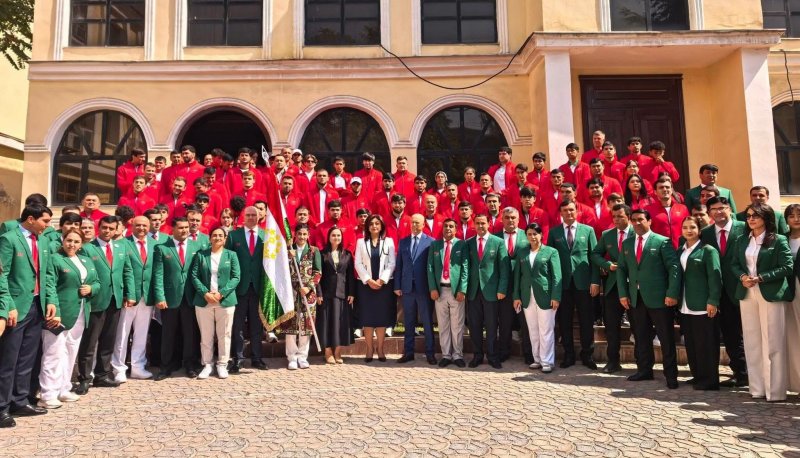




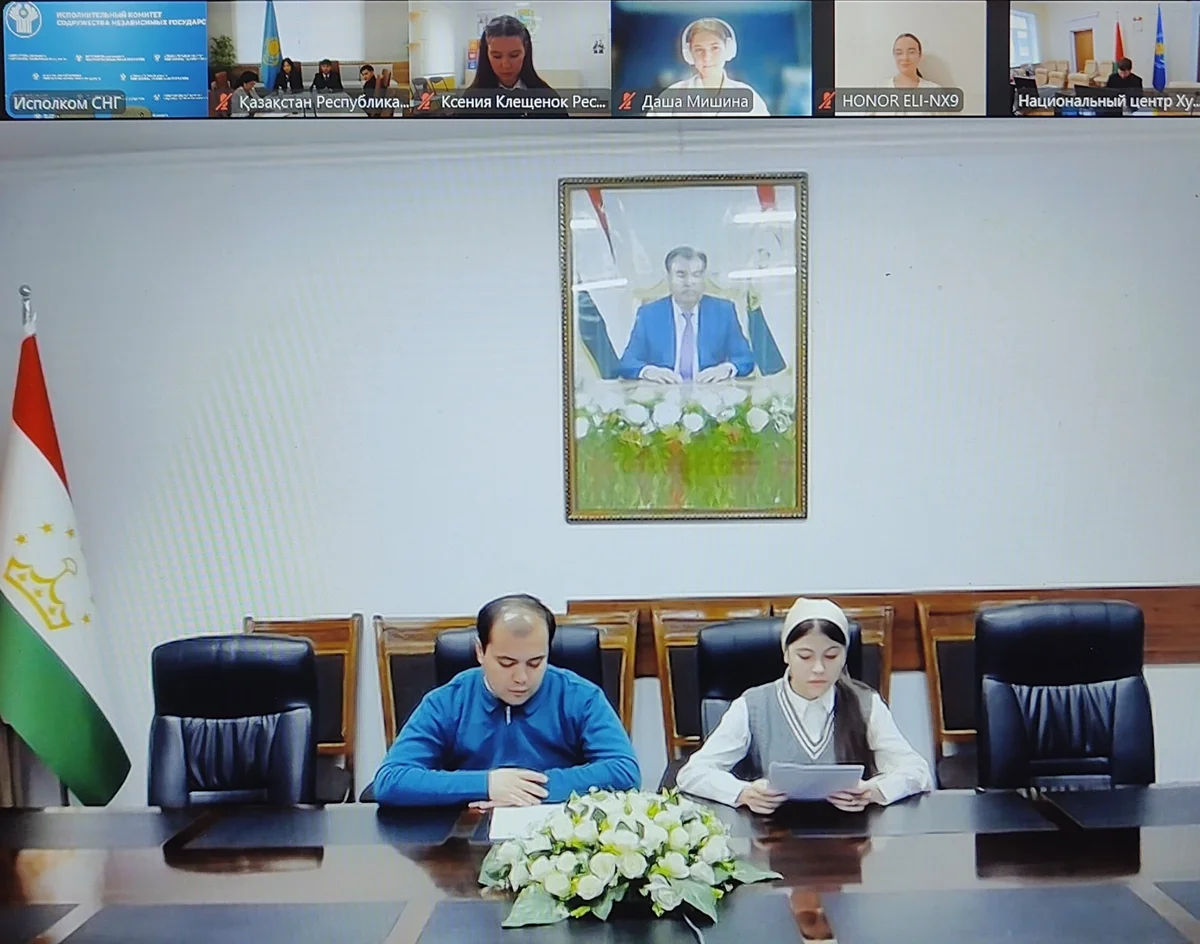
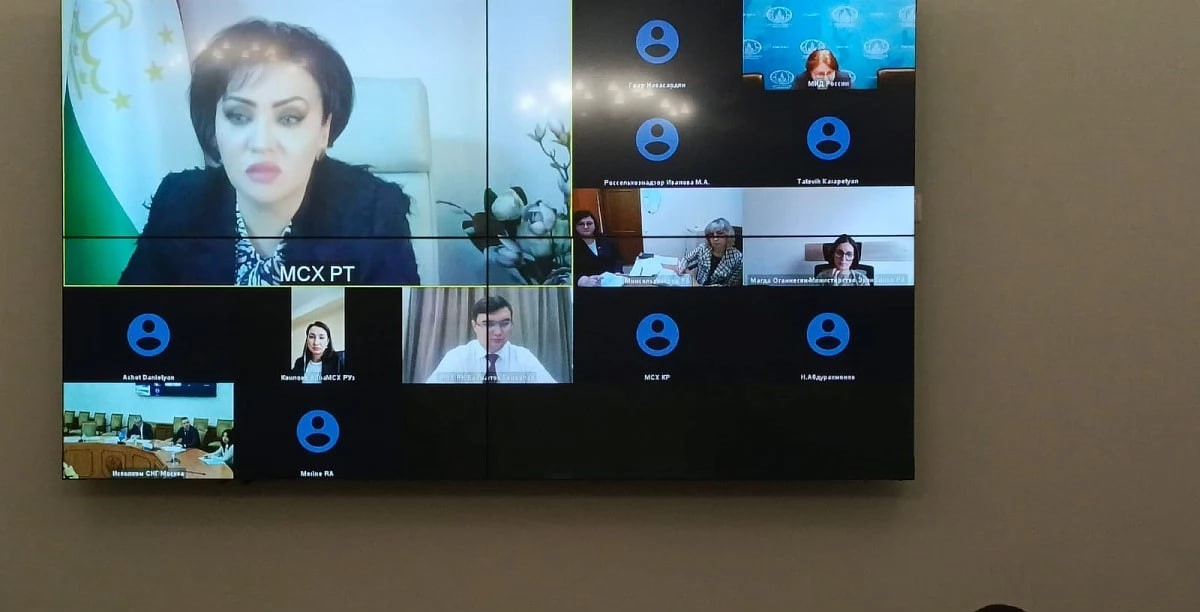
On November 20, an international dialogue platform was held in the format of an open discussion with the participation of members of the Children's Council under the Commission of Commissioners for Children's Rights (Ombudsmen) of the CIS Member States from the Republic of Belarus, the Republic of Kazakhstan, the Russian Federation, and the Republic of Tajikistan.
The event was organized by the Kazakh side on World Children's Day, a holiday that emphasizes the priority of protecting children and the need to foster the safe development of the younger generation.
Ksenia Kleshchenok, a member of the Children's Council from the Republic of Belarus, presented an educational project on cybersecurity – a visual novel computer game called "Hidden Threat." Created by the Rechitsa Senior School Council, the game allows players to encounter real-life internet threats, including phishing, scam calls, and ransomware, and choose the appropriate course of action. At the end of the game, a QR code is placed, leading to the official website of the Ministry of Internal Affairs of the Republic of Belarus with recommendations for safe online behavior. The project demonstrates that teenagers can be not only recipients of knowledge but also creators, offering solutions to their peers.
Mamyrkhan Zhibek and Berdikhan Madi, members of the Children's Council from the Republic of Kazakhstan, presented the results of the national sociological study "Kazakhstan Kids Online. The Digital Life of Children in Kazakhstan," conducted with the participation of children, parents, and teachers. The project included a comprehensive campaign to use the Parental Control program to improve children's information security. The "CYBER TUMA" initiative was also presented—a set of information tools including social posters with action plans for dealing with threats, educational videos, and practical expert advice aimed at fostering a safe online experience and the ability to manage potential risks.
Members of the Children's Council from the Russian Federation, Daria Mishina and Victoria Fedoreeva, shared the Federal Children's Public Council's experience in creating a safe digital space. They presented the flagship project "Childhood Safety: FDOS in Action!", implemented with the support of the Presidential Commissioner for Children's Rights, M.A. Lvova-Belova, and the Country for Children Charitable Foundation. A key feature of the project is the participation of minors themselves in the development, implementation, and presentation of the results of the sociological study, enabling adolescents to directly influence the development of a safe digital space.
Oisha Badalova, a member of the Children's Council from the Republic of Tajikistan, focused her speech on legislative regulation of children's safety in the digital environment. Specifically, the Law of the Republic of Tajikistan "On Responsibility for the Education and Upbringing of a Child" establishes parental responsibilities: not allowing children to visit computer game centers between 6:00 PM and 8:00 AM, teaching them about mobile phone use, and taking measures to limit their use during school hours.
The Children's Council under the Commission of Children's Rights Commissioners of the CIS Member States was established by a decision of the Commission on June 18, 2025. It includes representatives from six Commonwealth countries. The Council's primary goal is to engage children in decision-making and discussions on issues affecting their interests. The work plan for 2025–2027 includes topics such as fostering a responsible attitude toward nature in children, adolescent employment, entrepreneurship among minors, and holding international conferences on legal education for the younger generation.
All materials presented at the dialogue platform will be posted on the CIS Executive Committee's website in the section of the Commission of Children's Rights Commissioners of the CIS Member States.