Translated with AI

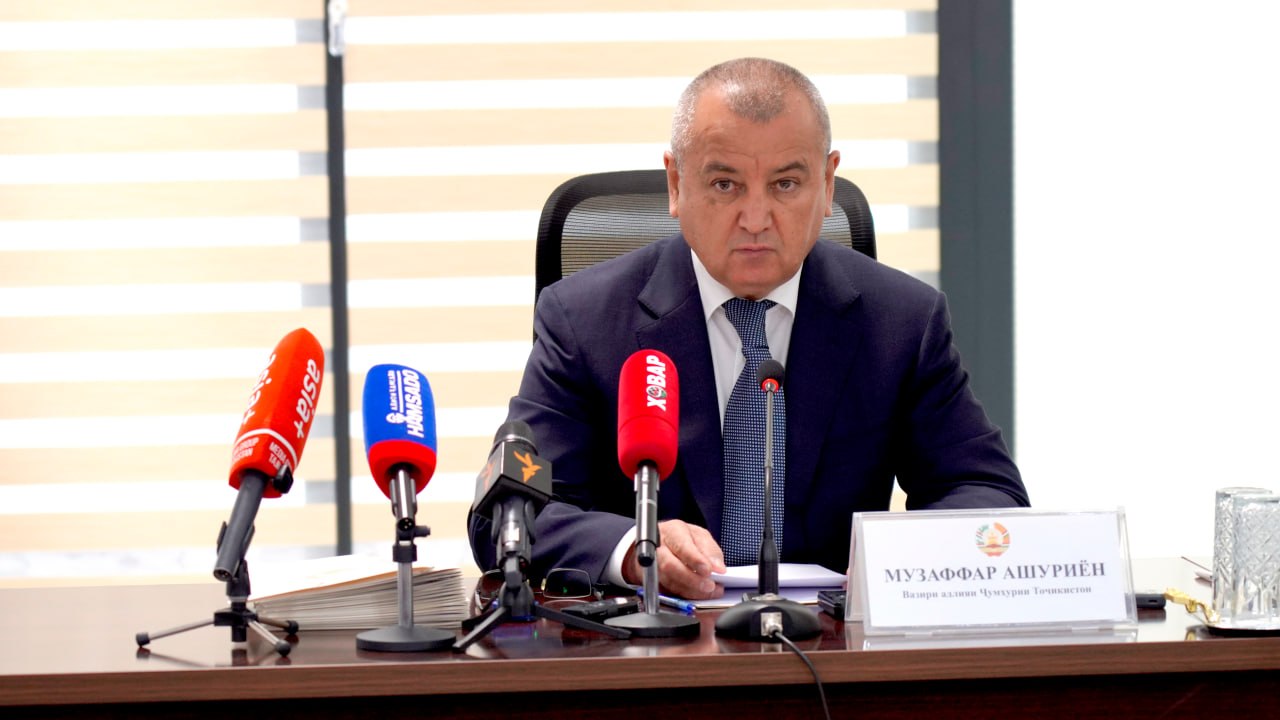




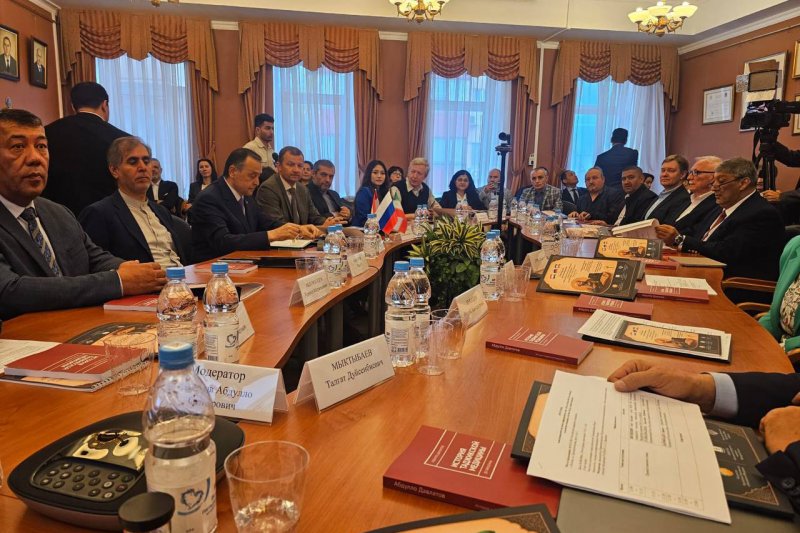
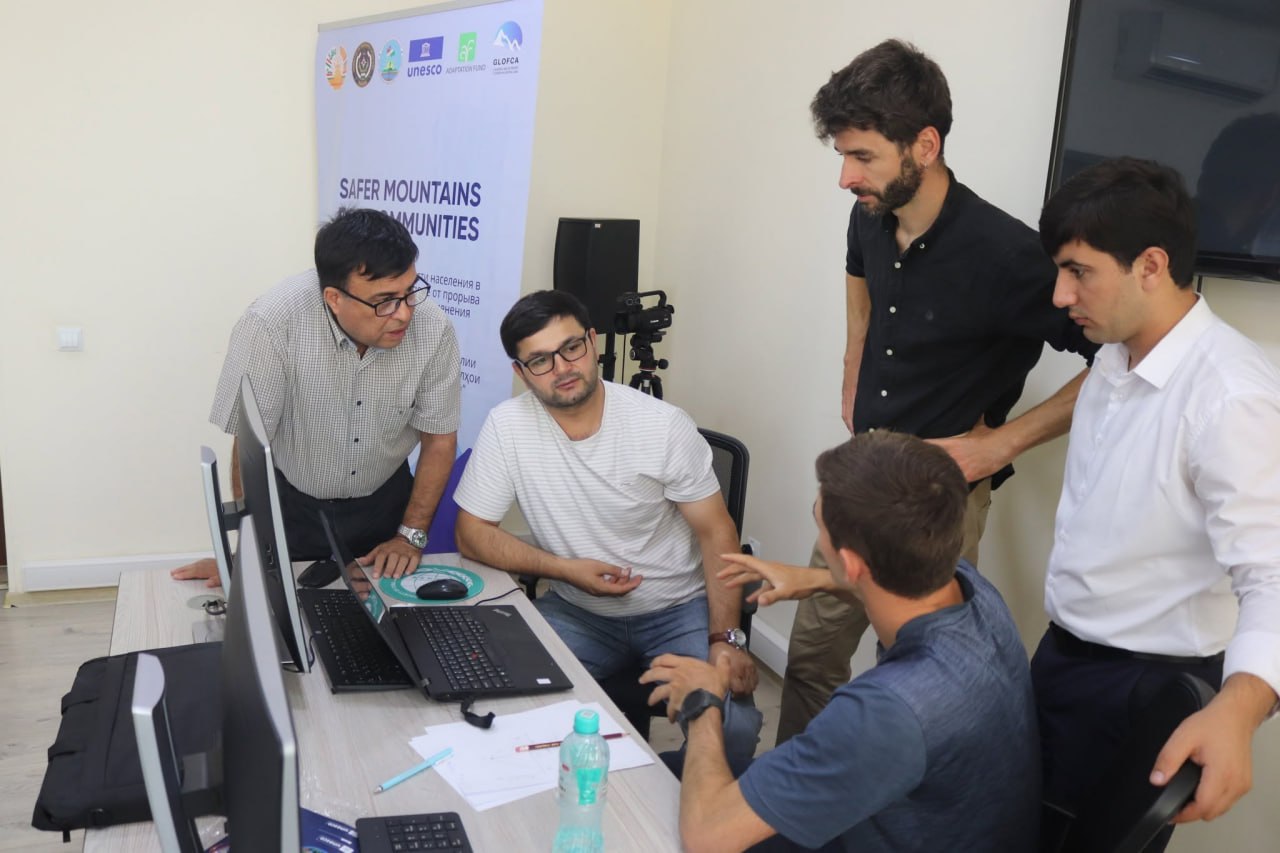
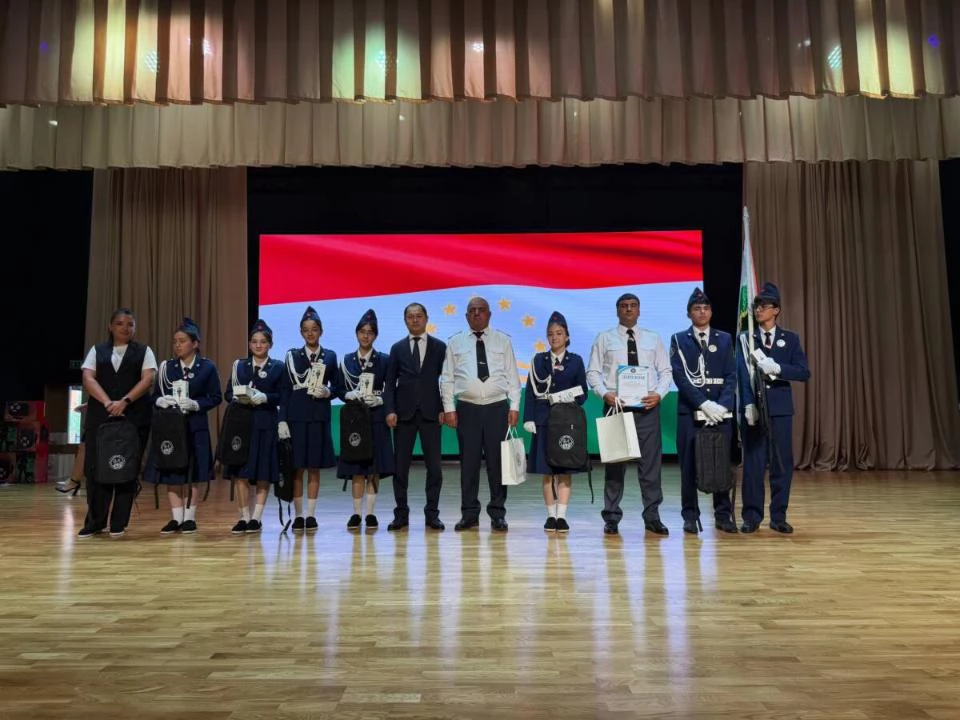
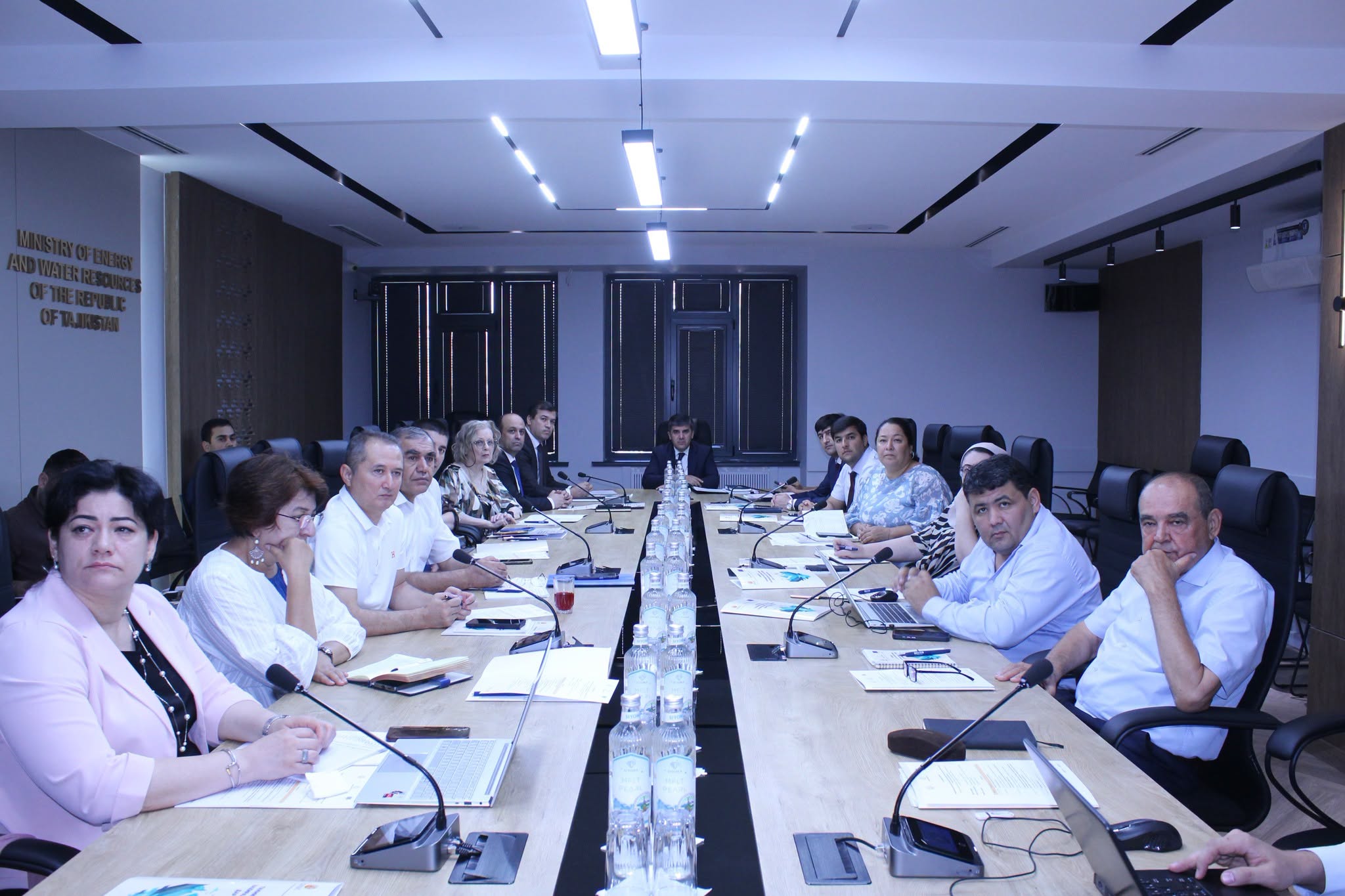




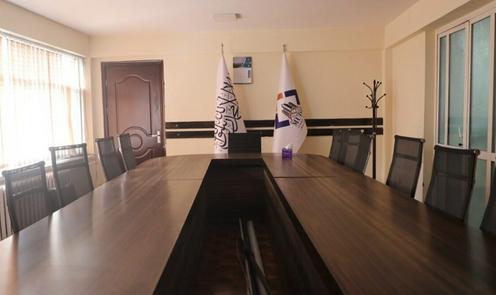
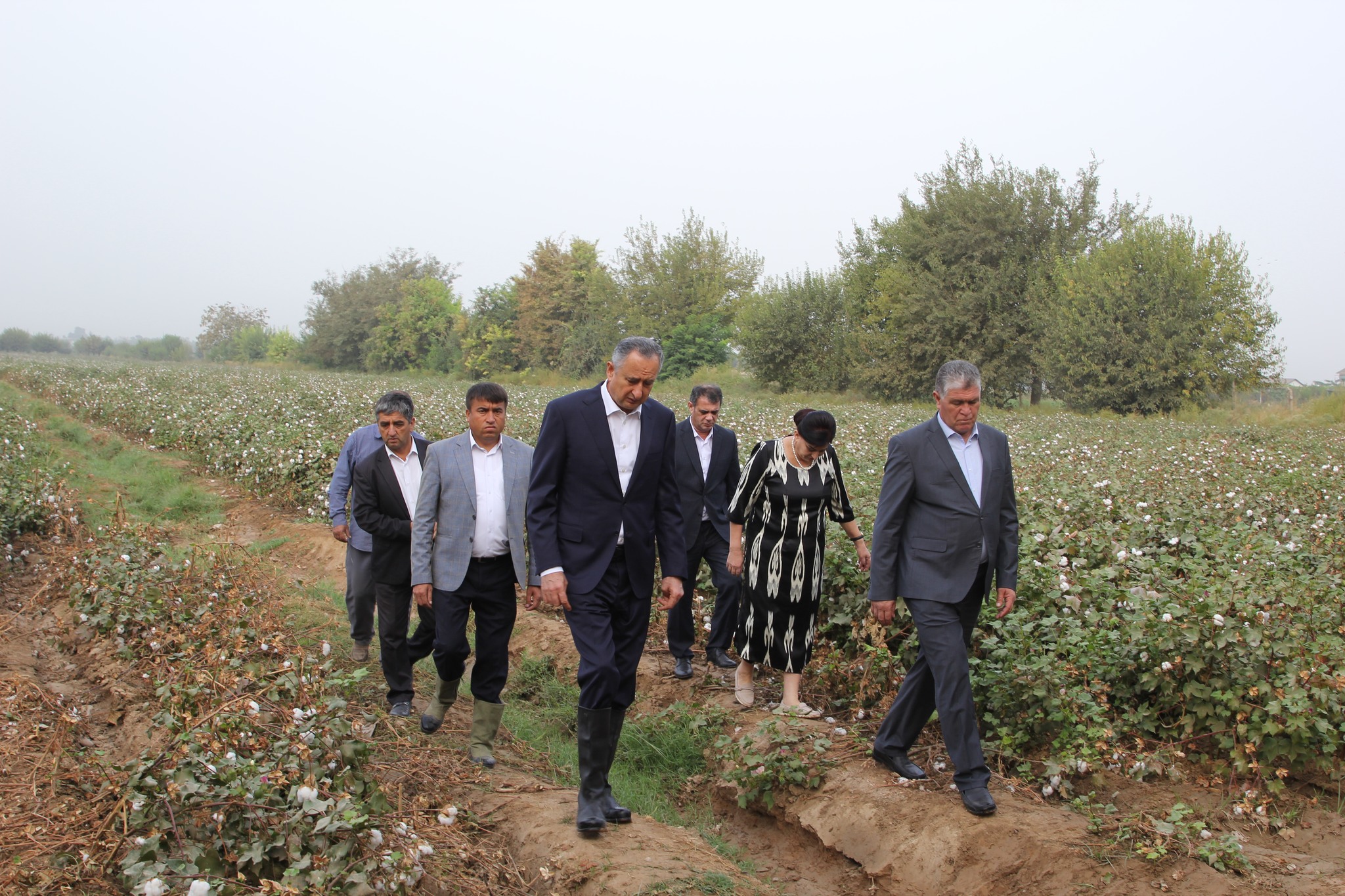
Five Afghan ministries that are part of the Taliban government have stopped publishing images of their employees attending public events on their websites or social media. This is in compliance with the law on morality, which prohibits the display of living beings, Fergana.ru reports, citing Amu.tv.
The editorial staff monitored the official websites of the Afghan government and found that a number of agencies strictly adhere to this law, publishing photos of empty chairs, meeting rooms, or flags instead of officials.
These bodies include:
Ministry for the Promotion of Virtue and the Prevention of Vice;
Ministry of Justice;
Ministry of Higher Education;
Ministry of Finance;
Ministry of Urban Development and Housing.
At the same time, as media reports note, 18 other agencies, including the Ministry of Defense and the Ministry of Internal Affairs, continue to post photos and videos of their activities online.
Some government officials, such as the Ministry of Education, headed by Khabibullah Agha, adhere to a "golden mean" tactic. The ministry's official accounts don't feature images of people, but photos from events involving officials can be found on the social media accounts of ministry employee Mansur Ahmad Hamza. Incidentally, the minister himself has been on the EU sanctions list since 2023 for serious violations of women's and girls' rights.
Amu.tv emphasizes that Taliban leaders also disagree on this issue. Deputy Prime Ministers Abdul Ghani Baradar and Abdul Salam Hanafi allow their photos to be published, while Prime Minister Mohammad Hasan Akhund only allows such publication in state media and primarily during meetings with high-ranking foreign officials. Meanwhile, Supreme Court Chief Justice Abdul Hakim Haqqani never publishes his own images, strictly adhering to morality laws.
However, analysts believe the Taliban are unanimous in their enforcement of the law—sometimes, when publishing photos serves their interests, they freely violate established restrictions.
Late last year, it was reported that the Taliban had imposed a ban on filming living beings. Specifically, it came into effect in several Afghan provinces: Kandahar, Wardak, Takhar, Badghis, and Nangarhar. Moreover, in some regions, officials began actively enforcing the morality law. However, according to local sources, double standards were observed. For example, the deputy governor of Herat province, approved by the radical movement, openly gave on-camera interviews, and a video of him was shown on television.