Translated with AI




























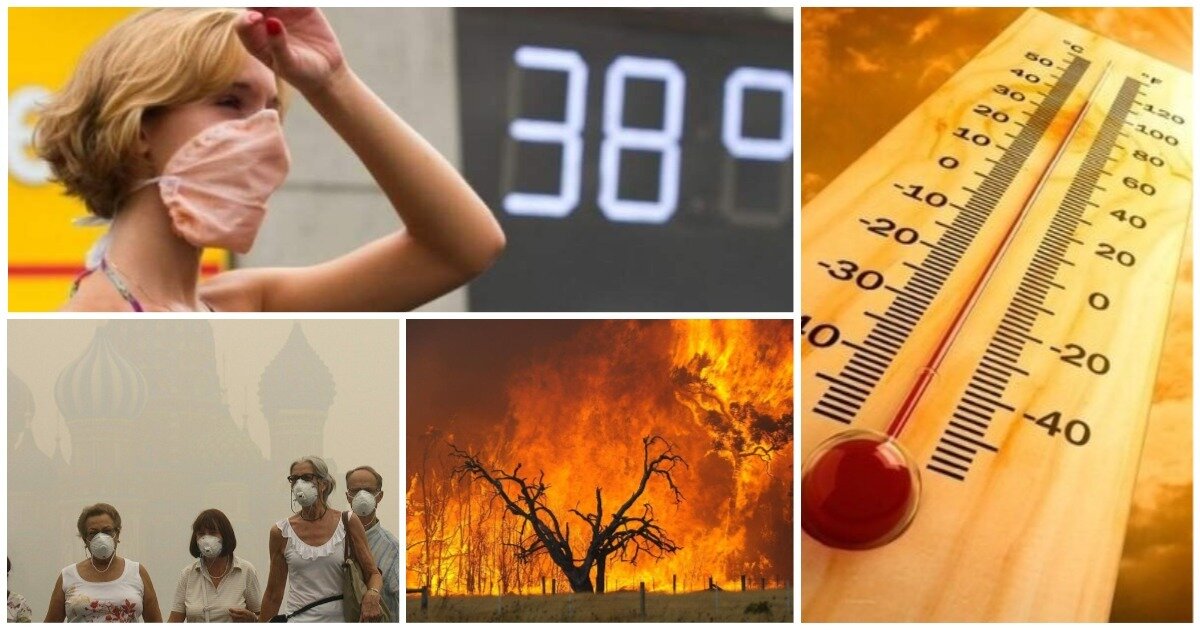
This August's heatwave is affecting millions of people worldwide, highlighting the need for improved early warning systems and effective public health protection plans. Wildfires and deteriorating air quality are exacerbating the situation globally, the UN press service reports.
The World Meteorological Organization (WMO) is actively working to strengthen heat early warning systems through the "Early Warning Systems for All" initiative. WMO is one of ten UN specialized agencies supporting the UN Secretary-General's Call to Action to Combat Extreme Heat.
"Extreme heat is often called a 'silent killer,' but with modern science and technology, this characterization is no longer justifiable. Every heat-related death is preventable," said WMO Deputy Director-General Co Barrett.
An estimated 489,000 heat-related deaths occurred annually globally between 2000 and 2019, 45 percent of which occurred in Asia and 36 percent in Europe. However, official diagnosis and reporting of heat-related illnesses, injuries, and deaths remains underreported.
July records
July 2025 was the third-hottest July on record, behind 2023 and 2024, according to the Copernicus Climate Change Service. Average sea surface temperatures also reached their third-highest level. Arctic sea ice extent reached its second-lowest July in 47 years of satellite observations.
In Europe, Sweden and Finland were particularly hard hit, with temperatures exceeding 30 degrees Celsius for an unusually long period. Southeastern Europe experienced heatwaves and wildfires, while Turkey set a national temperature record of 50.5 degrees Celsius. Outside Europe, the highest temperatures were observed in the Himalayas, China, and Japan.
Anomalous August
The heat wave continued into August. According to the World Meteorological Center in Beijing, in the first week of August, maximum temperatures exceeded 42 degrees Celsius in West Asia, southern Central Asia, much of North Africa, southern Pakistan, and the southwestern United States. In some areas, temperatures exceeded 45 degrees Celsius. In southwestern Iran and eastern Iraq, temperatures reached 50 degrees Celsius, causing disruptions to electricity and water supplies, education, and work.
On August 5, Japan set a new national temperature record of 41.8 degrees Celsius, surpassing the previous high of 41.2 degrees Celsius set on July 30. During the prolonged and unusual heat wave, dozens of temperature records were broken, both daytime and nighttime. The Japan Meteorological Agency issued special heatstroke warnings, urging the public to take precautions. Similar warnings were issued in South Korea and China.
Forest fires
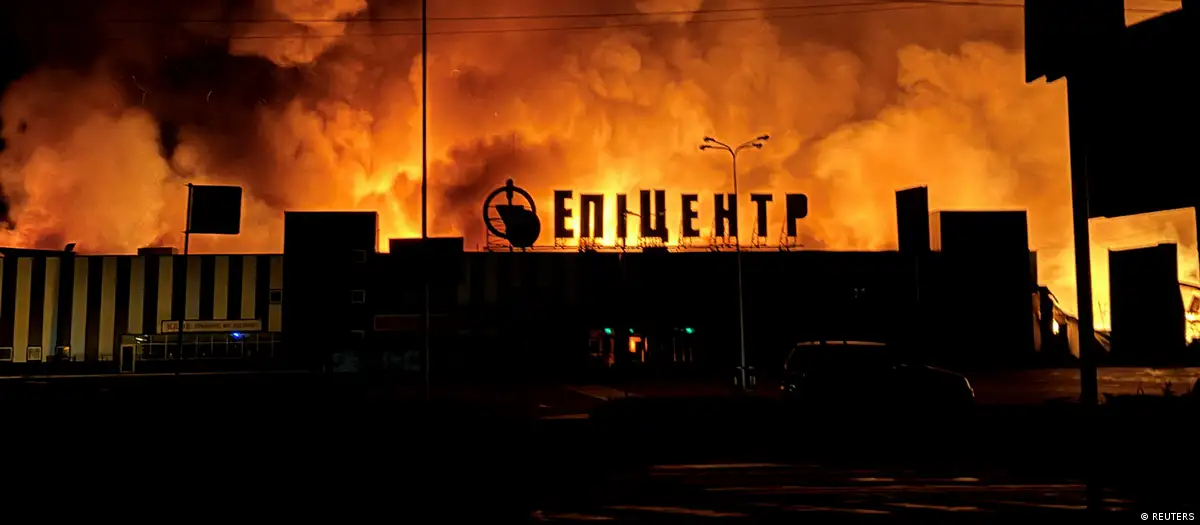
Heatwaves are fueling devastating wildfires, causing casualties and deteriorating air quality. Firefighters in Cyprus, Greece, and Turkey are battling blazes daily, forcing people to flee their homes, claiming lives, and blanketing the sky with thick smoke.
Hundreds of wildfires in Canada have caused smoke and air pollution in several provinces. According to the Canadian Interagency Wildfire Centre, more than 6.6 million hectares had burned by August 3, significantly exceeding the 25-year average. For the second time this season, smoke from Canadian fires crossed the Atlantic and reached Europe.
“Extreme heat is no longer a seasonal problem – it is a daily reality for millions,” said Joy Shumake-Guillemot, head of the WHO-WMO Joint Programme on Climate and Health.