Translated with AI










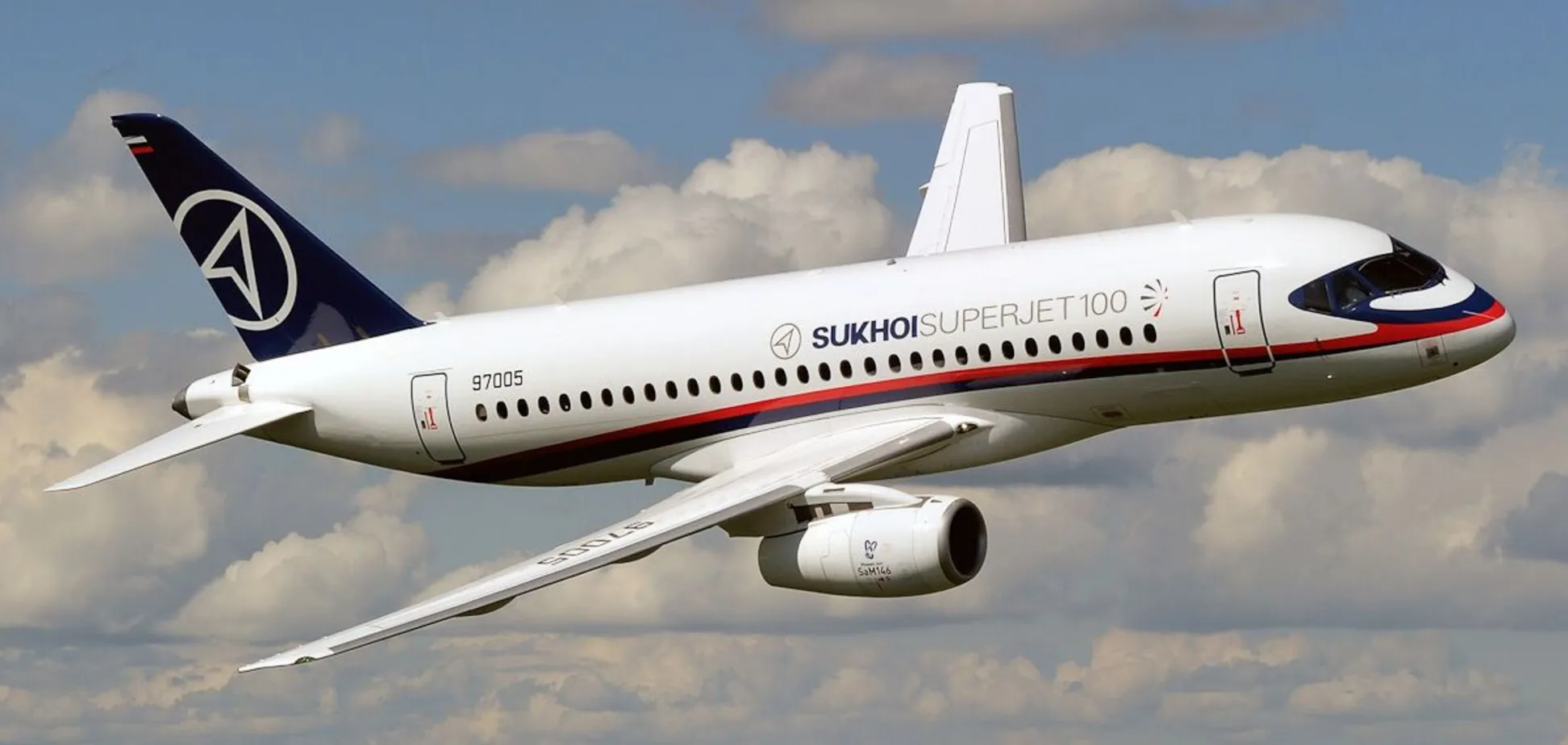
Russian aircraft manufacturers produced only one commercial aircraft out of 15 planned in 2025, according to data from the Swiss aviation intelligence company ch-aviation, cited by Reuters. The decline in production was driven by sanctions restrictions on the supply of foreign components and the high key interest rate, which hinders investment in the industry.
Following the imposition of Western sanctions in 2022, Russia lost direct access to foreign-made aircraft and spare parts. To maintain their fleets, Russian airlines are using complex parallel import schemes through third countries, including Turkey, China, Kyrgyzstan, and the UAE.
In 2021, 52 new commercial aircraft were delivered to the Russian fleet, including 27 Airbus, three Boeing, and 22 Sukhoi Superjets, all built using imported parts. Deliveries declined sharply between 2022 and 2025: since then, only 12 Superjets and one Tu-214, designed for medium-haul flights, have been added.
The Russian government has repeatedly revised its production plans. In mid-2024, delivery targets for 2024–2025 were reduced from 171 to 21 aircraft. In July 2025, authorities again announced their intention to adjust these plans downwards, citing increased financing costs and missed deadlines.
Rostec, the state corporation responsible for the production of the Superjet 100, Tu-214, Il, and the new MS-21, is facing difficulties localizing production and meeting schedules. According to Reuters, at least $300,000 worth of aircraft parts were imported into Russia through intermediaries in 2024, including components from Safran (France), Honeywell (USA), and Rolls-Royce (UK). Representatives of these companies stated that they comply with international sanctions and do not supply products directly to Russia.
Russian Minister of Industry and Trade Anton Alikhanov previously noted that no country in the world produces fully import-substituting aircraft, and called the challenge facing the industry "unique and extremely complex."
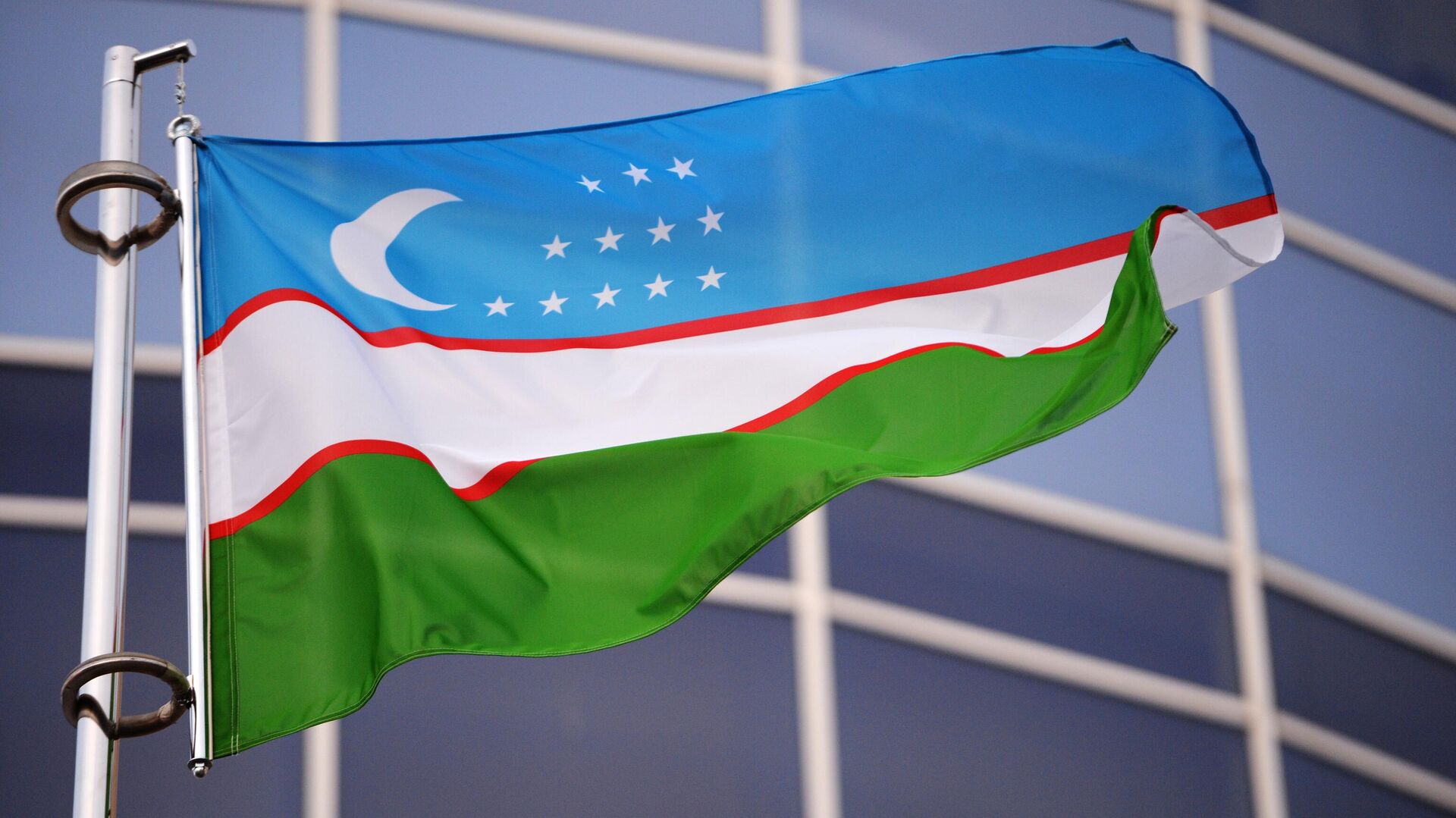
Reduced supply amid high demand is leading to rising airfares: according to Rosstat, a steady increase in prices was observed in 2023–2024. To partially cover the shortfall, Moscow has recruited airlines from Kazakhstan and Uzbekistan to operate domestic flights.
It was previously reported that in August, a Ural Airlines Airbus A321 made an emergency landing due to engine failure while flying from Moscow to Sochi. According to media reports, this is the eighth such incident involving Russian airliners in the past month.