Translated with AI























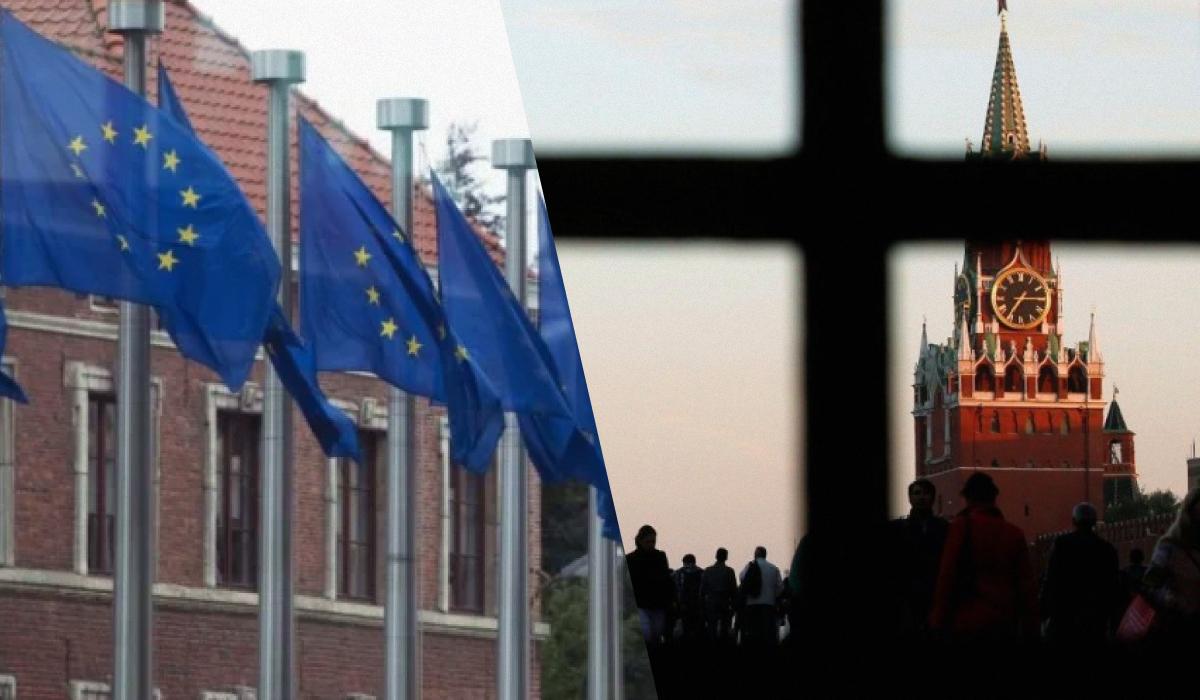
The European Commission has approved the 19th sanctions package against Russia, according to European Commission spokesperson Paula Pinho.
According to European Commission President Ursula von der Leyen, the key measures in the new package include a complete ban on liquefied natural gas (LNG) imports from Russia. An additional 118 vessels from the so-called "shadow fleet," which the EU claims is used to circumvent existing restrictions, will also be added to the sanctions list.
Furthermore, Gazprom Neft and Rosneft will be prohibited from conducting financial transactions within the European Union. This will leave Russian energy corporations with no official trading opportunities with their European partners.
The new package also includes restrictions on 45 companies from Russia and third countries that, according to Brussels, directly or indirectly support the Russian military-industrial complex. EU Foreign Minister Kaja Kallas clarified that Chinese companies could also be subject to sanctions.
A separate clause provides for sanctions against crypto platforms, which, according to the European Commission, help Moscow circumvent Western restrictions. Furthermore, restrictions could affect Russian oil refineries, as well as similar facilities in other countries.
Kallas also stated that the EU intends to simplify the sanctions mechanism for those involved in transporting Ukrainian children to Russia. "Separating children from their families and deporting them to re-education camps is beyond the pale," she noted.
The European Commission clarified that EU member states must agree on a final set of measures in the near future. According to sources in Brussels, the package may include an accelerated phaseout of Russian liquefied natural gas imports by the EU within the next year. This proposal comes after US President Donald Trump called on European partners to completely halt their purchases of Russian energy resources.
Work on the 19th package began back in the summer, immediately after the approval of the 18th package of sanctions. At the time, Vladyslav Vlasyuk, the Ukrainian president's commissioner for sanctions, noted that the new document proposed including ports, ship captains, and brokers cooperating with the Russian "shadow fleet."