Translated with AI






























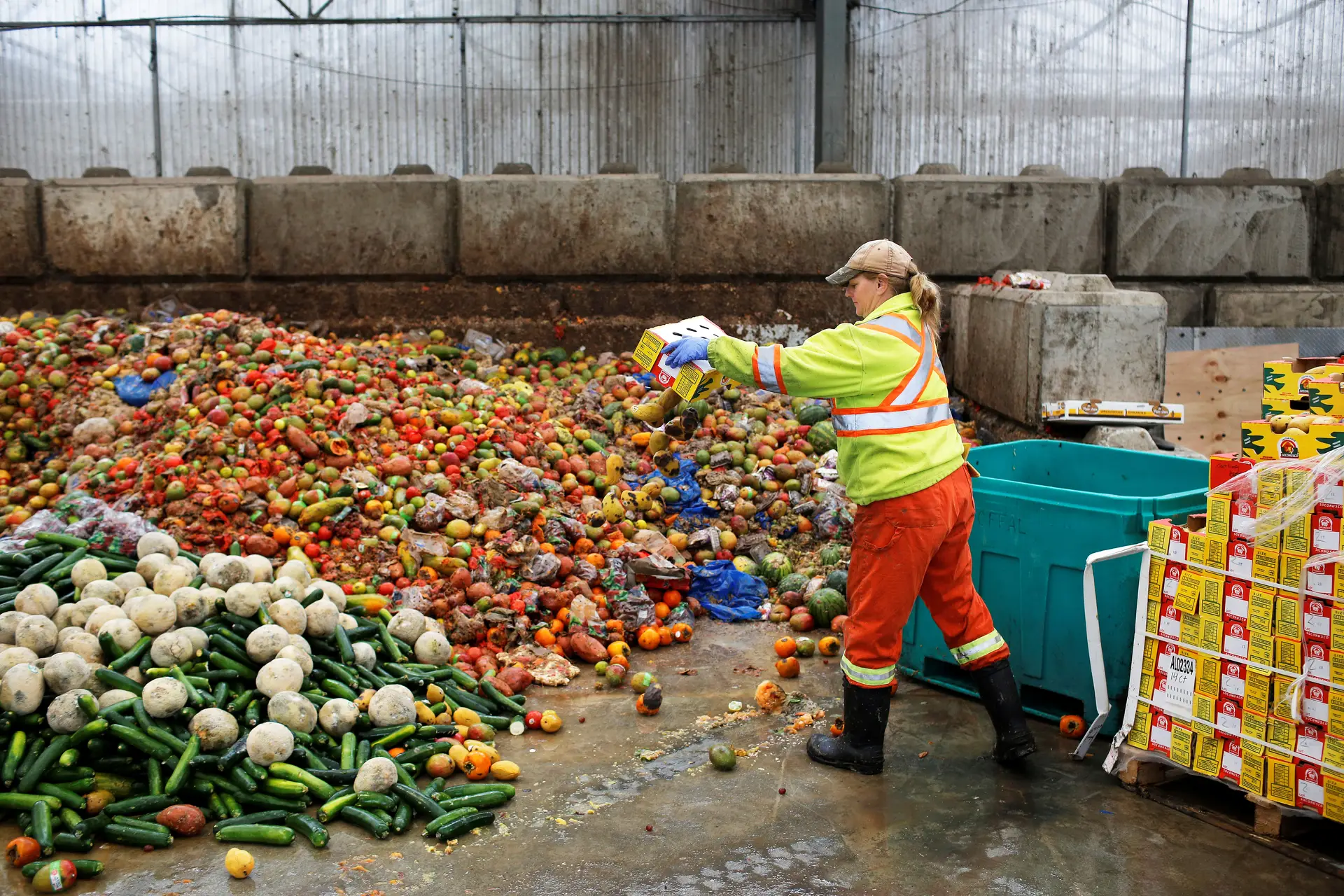
Around 733 million people worldwide are hungry. Yet, more than a billion servings of edible food are wasted every day. This amount of food would be enough to feed everyone suffering from hunger at least once a day. The UN reminded everyone of this on the International Day of Awareness of Food Loss and Waste, celebrated on September 29.
Globally, about 13.2 percent of food produced is lost between harvest and retail, with households, food service establishments and retail outlets losing about 19 percent – or 1.05 billion tonnes – of the world's total food supply.
Food loss and waste lead to higher prices. Furthermore, food waste ending up in landfills is a source of greenhouse gas emissions, accelerating climate change.
“By taking action to reduce food loss and waste, we can achieve a triple win: improving food security and nutrition, providing economic benefits to producers, businesses and consumers, and reducing environmental and climate impacts while protecting biodiversity and reducing pollution,” said Qu Dongyu, Director-General of the Food and Agriculture Organization (FAO), at a special event co-organized with the United Nations Environment Programme (UNEP) at FAO headquarters in Rome.
UN agencies are calling on governments, businesses, producers, consumers, and the research community to take action. This means fostering innovation, integrating circular economy principles into agricultural and food systems, scaling up successful solutions, and changing consumer behavior.
What each of us can do:
– Plan your purchases so that you buy only what you need.
– Store food properly to extend its shelf life.
– Pay attention to the “best before” and “best used before” markings.
– Prepare food in reasonable quantities and store any excess, for example, by freezing it.
– Donate excess food to those who need it.
– Compost food waste.