Translated with AI






























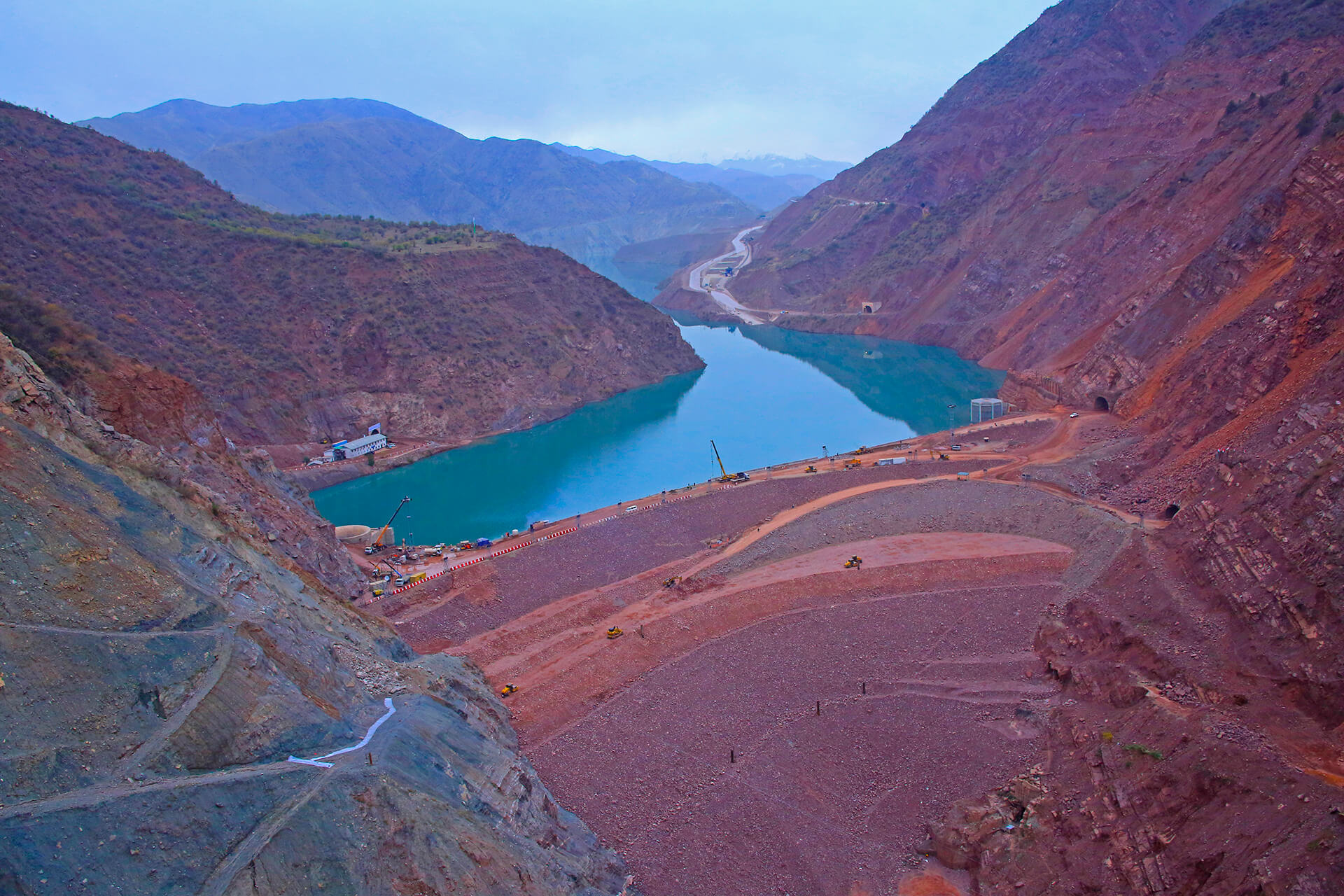
In Tajikistan, 786 hectares of forests are planned to be restored as part of compensation measures following the completion of the Rogun Hydroelectric Power Station (HPP). This is stated in the "Updated Environmental and Social Impact Assessment of the Rogun HPP Project."
According to the document, 262 hectares of forest were lost during the construction of the hydroelectric dam. To restore the ecological balance, the republic's authorities intend to create new forest areas three times larger than the deforested areas.
The report emphasizes that compensatory measures will include not only tree planting but also systematic protection of restored lands from erosion and degradation. The first phase of the project involves consultations with government agencies, financial institutions, and environmental organizations to develop a comprehensive approach to restoring lost ecosystems.
Over the next five years, specialists will identify specific areas for restoration work. The program will begin in 2031. Juniper, coastal, and local fruit and nut forests will be restored.
According to preliminary estimates, the program will require approximately $7.5 million. Annual maintenance of the restored areas will cost approximately $10,500.
Construction of the Rogun Hydroelectric Power Plant, Tajikistan's largest energy project, began in 1987. Following the collapse of the USSR and the civil war in the 1990s, work was suspended. The country returned to the active phase of the project in 2016 at the initiative of President Emomali Rahmon.
The total cost of completing the plant is estimated at approximately $6.3 billion. Once completed, the Rogun hydroelectric power station will be the largest hydroelectric power station in Central Asia. The dam will be 335 meters high, making it the tallest rockfill dam in the world. The plant's design capacity is 3.6 GW.
Currently, two hydroelectric units are operational at the Rogun Hydroelectric Power Plant, commissioned in 2018 and 2019. According to the Republic's Ministry of Energy and Water Resources, they generated over 1.2 billion kilowatt-hours of electricity in 2024.
The project's implementation is of strategic importance for the country's energy security. Once fully operational, the hydroelectric power plant will provide Tajikistan with a stable energy supply, eliminate seasonal power constraints, and expand export opportunities in the region. Furthermore, the hydroelectric power station will regulate water resources, prevent floods, and mitigate the effects of drought.