Translated with AI

































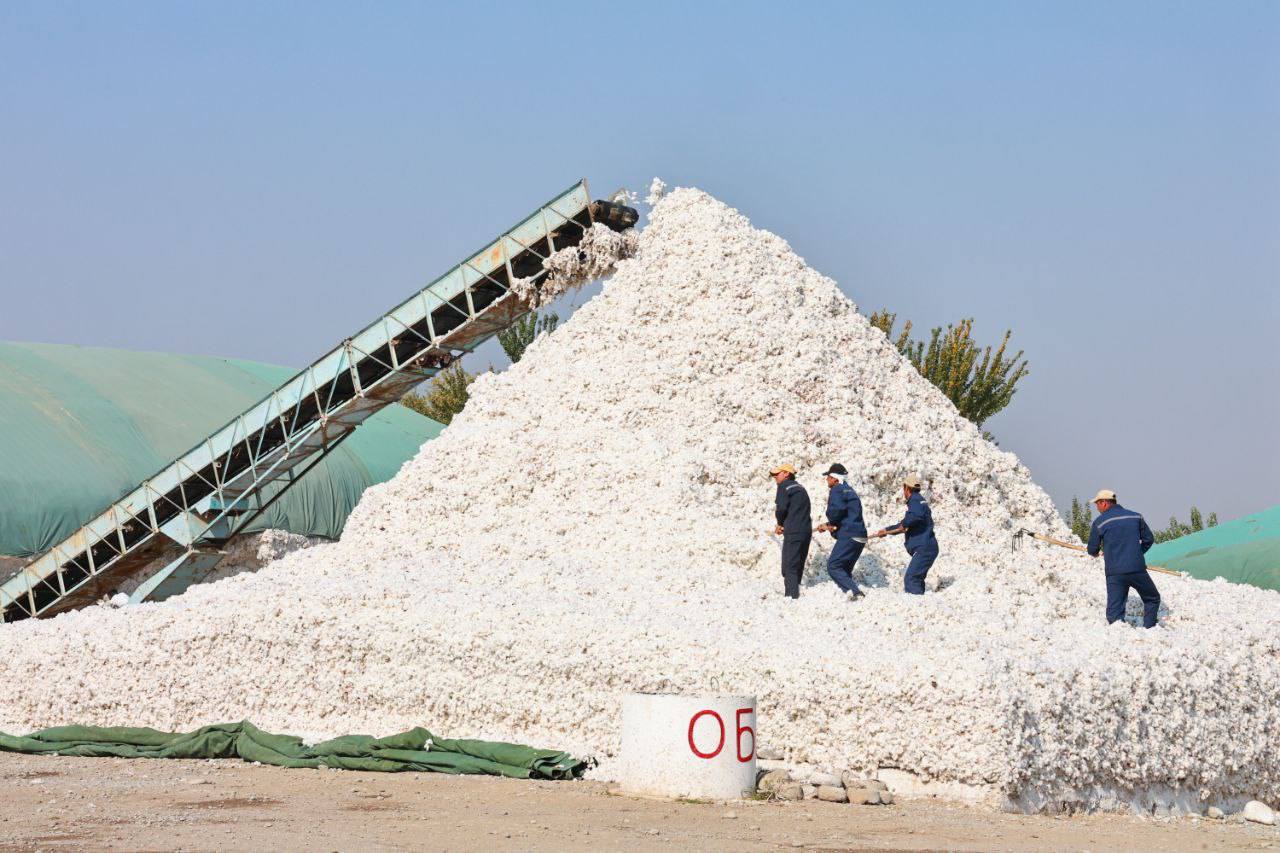
Cotton harvesting continues in Tajikistan's Sughd region across all cotton-growing districts. Taking advantage of favorable autumn weather conditions, workers and pickers are actively participating in the mass harvest, striving to ensure a profitable and timely harvest, according to the regional administration's press service.
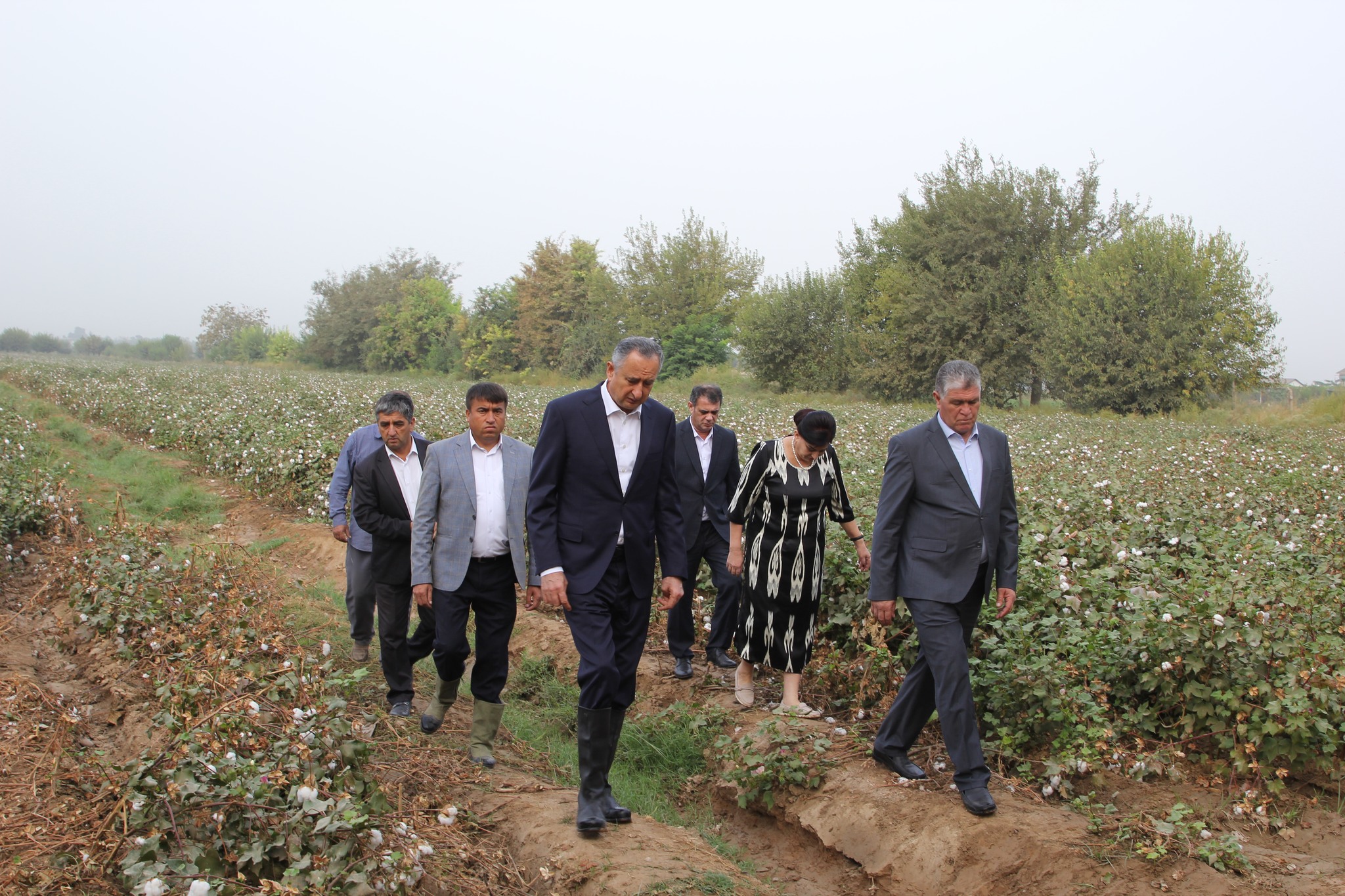
A district headquarters has been established in the Jabbor Rasulov district to coordinate the work, and all labor resources have been dedicated to the cotton harvest. During a working visit to the district, Sughd Regional Chairman Rajab Akhmadzoda inspected the harvest progress at the Zarkor farm.
The farm has 44 hectares of land, 24 of which have been planted with cotton this year. The farmers plan to harvest 35-40 centners per hectare, which will significantly exceed their production plan.
According to local authorities, 4,350 hectares of cotton have been sown in the Jabbor Rasulov district this year, with a production target of 12,529 tons. As of October 6, 7,030 tons of cotton have been harvested in the district, representing 56.1% of the target. Currently, over 1,000 hectares remain in the first phase of the harvest, with 5,500 to 6,000 pickers out in the fields daily, harvesting the crop by hand.
During a meeting with agricultural officials, the regional chairman instructed them to take advantage of sunny days and utilize all available resources to ensure a full and timely harvest.
The regional governor also reviewed the operations of Shams 777, a limited liability company. The company has reportedly received 1,500 tons of cotton to date and plans to receive up to 3,000 tons from farms. The regional governor gave instructions to intensify operations, restore order and improve the area, and create decent working conditions for employees.
Additionally, attention was paid to the activities of Organic Yan LLC, considered one of the leading cotton processors in the republic. The company processes raw materials into finished products, having already processed approximately 3,000 tons of cotton and signed contracts with over 300 farms.
Currently, the plant has processed 1,500 tons of cotton yarn and produced high-quality threads. Other workshops are producing finished goods—fabrics and cotton products—which partially supply the domestic market.
The regional chairman emphasized that the presence of such manufacturing facilities in the republic allows for the complete processing of domestic raw materials within the country and the production of competitive products.