Translated with AI

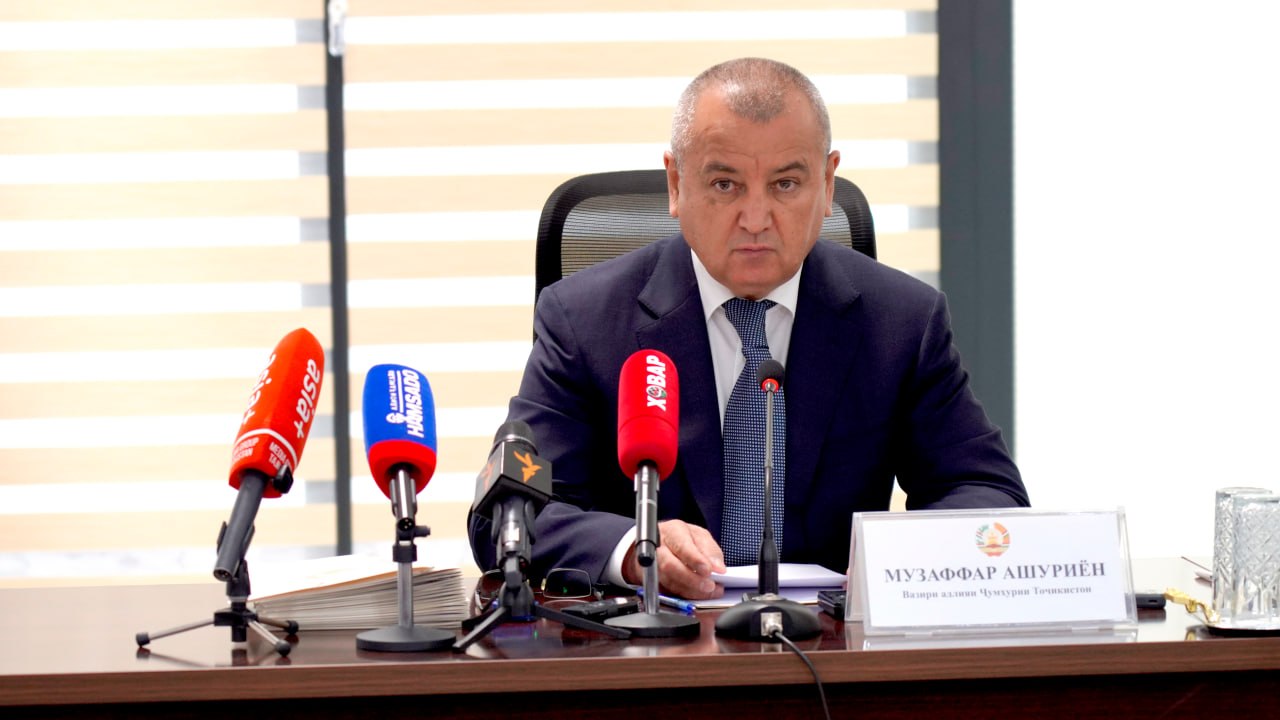
















As part of the implementation of the instructions and directions of the leadership of the Ministry of Health and Social Protection of the Population of the Republic of Tajikistan, specialists of the State Sanitary and Epidemiological Surveillance Service, together with employees of city and district centers of sanitary and epidemiological surveillance, conducted explanatory work among the population on issues of obesity prevention and compliance with sanitary and hygienic standards. This was reported by the press service of the ministry.
The events took place in a number of fast food outlets in Dushanbe. The main focus was on personal hygiene, safe preparation and storage of food products, disinfection measures, as well as the prevention of infectious and non-infectious diseases in hot climates.

During the explanatory work, residents and guests of the capital were given recommendations on compliance with sanitary requirements and maintaining a healthy lifestyle. The population was provided with consultations on issues of obesity prevention, rational nutrition, physical activity and strengthening the immune system. Information brochures and leaflets were also distributed.
Experts explained to citizens that nutrition is one of the key factors determining human health. Eating healthy and balanced food helps prevent diseases, increase mental and physical activity, strengthen the immune system and improve the overall quality of life.
It was noted that the abuse of fatty and unhealthy foods disrupts metabolism, especially the metabolism of fats and salts, which leads to the development of obesity, diseases of the liver, gallbladder, pancreas, urinary tract and other organs of the digestive system.


The explanatory campaign is aimed at increasing the health literacy of the population and developing sustainable healthy lifestyle skills, including proper nutrition, exercise and regular walking.
According to the Ministry of Health, similar events will be continued in other regions of the country in order to prevent non-communicable diseases and improve public health.