Translated with AI










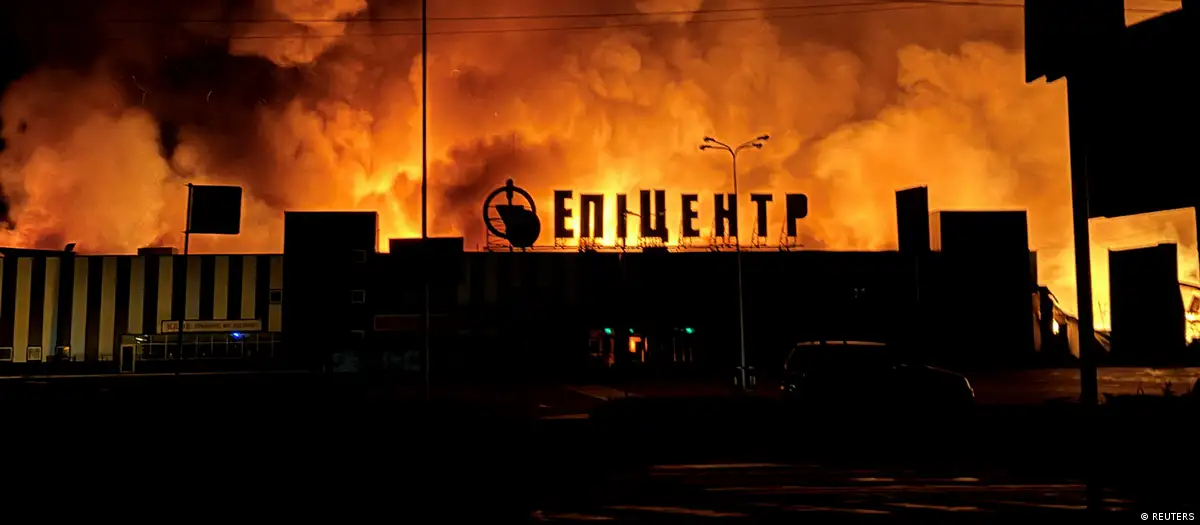
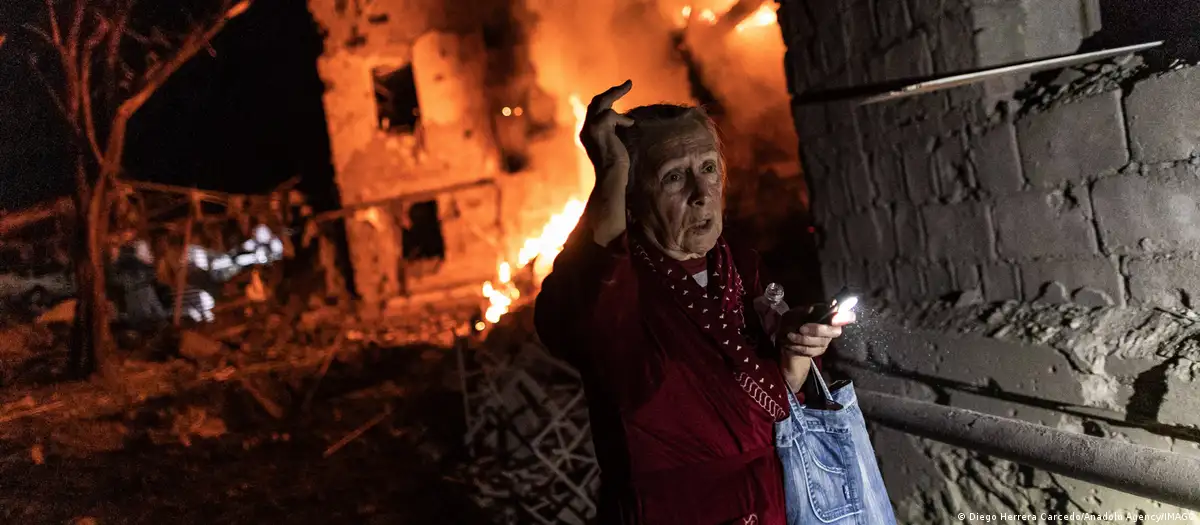
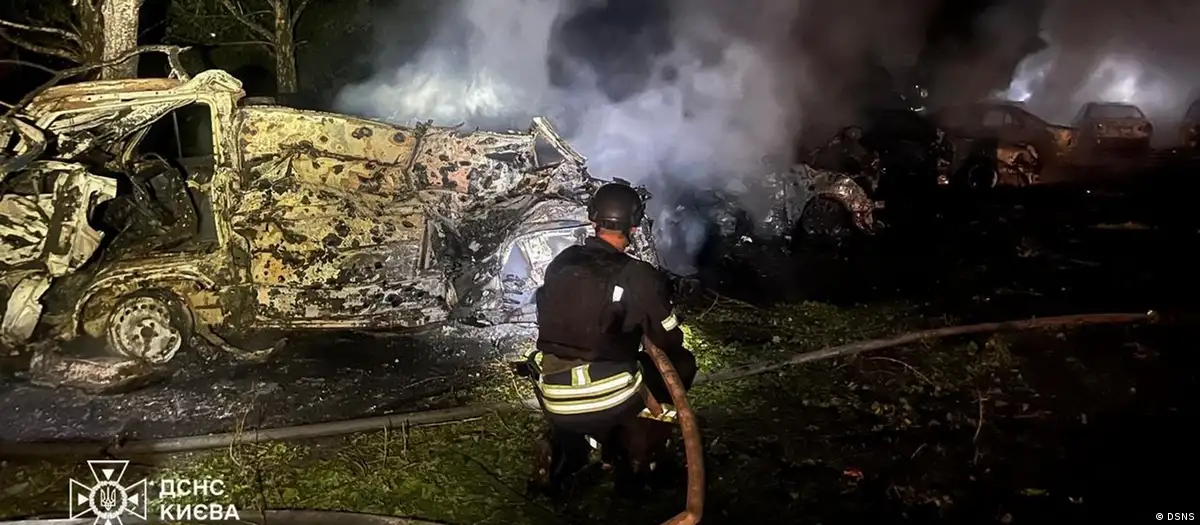
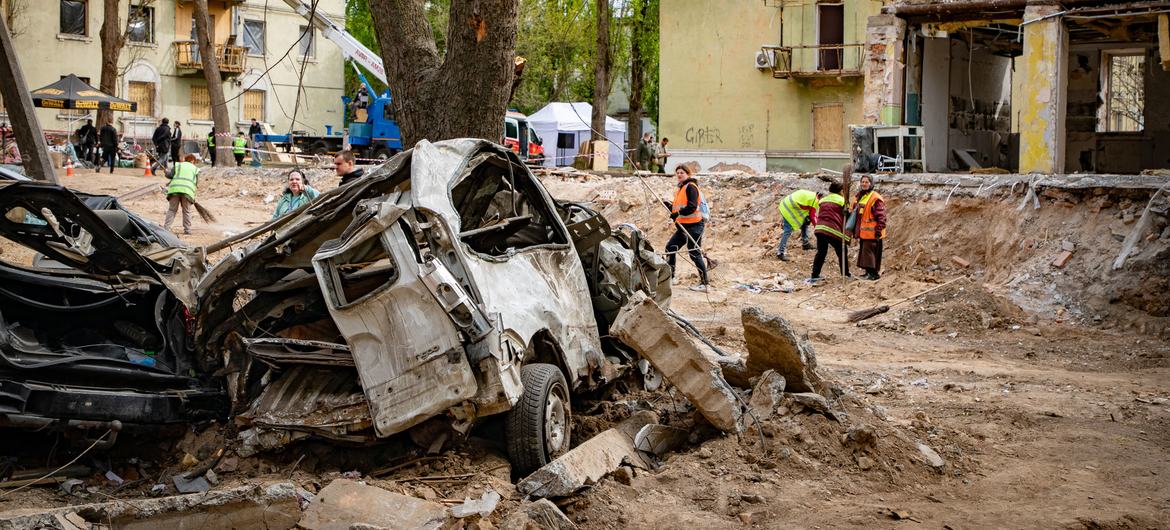
At a meeting of the UN Security Council on Friday, representatives of the organization expressed deep concern about the sharp deterioration of the situation in Ukraine. UN Assistant Secretary-General for Europe, Central Asia and the Americas Miroslav Jenča and Deputy UN Emergency Relief Coordinator Joyce Msuya spoke in detail about the current challenges and dangers faced by civilians in the country.
Miroslav Jenča noted that since the last briefing, which took place just over a month ago, Russia's air strikes on Ukrainian cities have significantly intensified. According to the Office of the United Nations High Commissioner for Human Rights (OHCHR), 6,754 civilians were killed or wounded in the fighting in the first six months of 2025 alone, the highest number in the last three years. At the same time, since the beginning of July, Russia has fired at least 5,183 long-range munitions at Ukrainian territory, including a record 728 drones in one day – July 9.
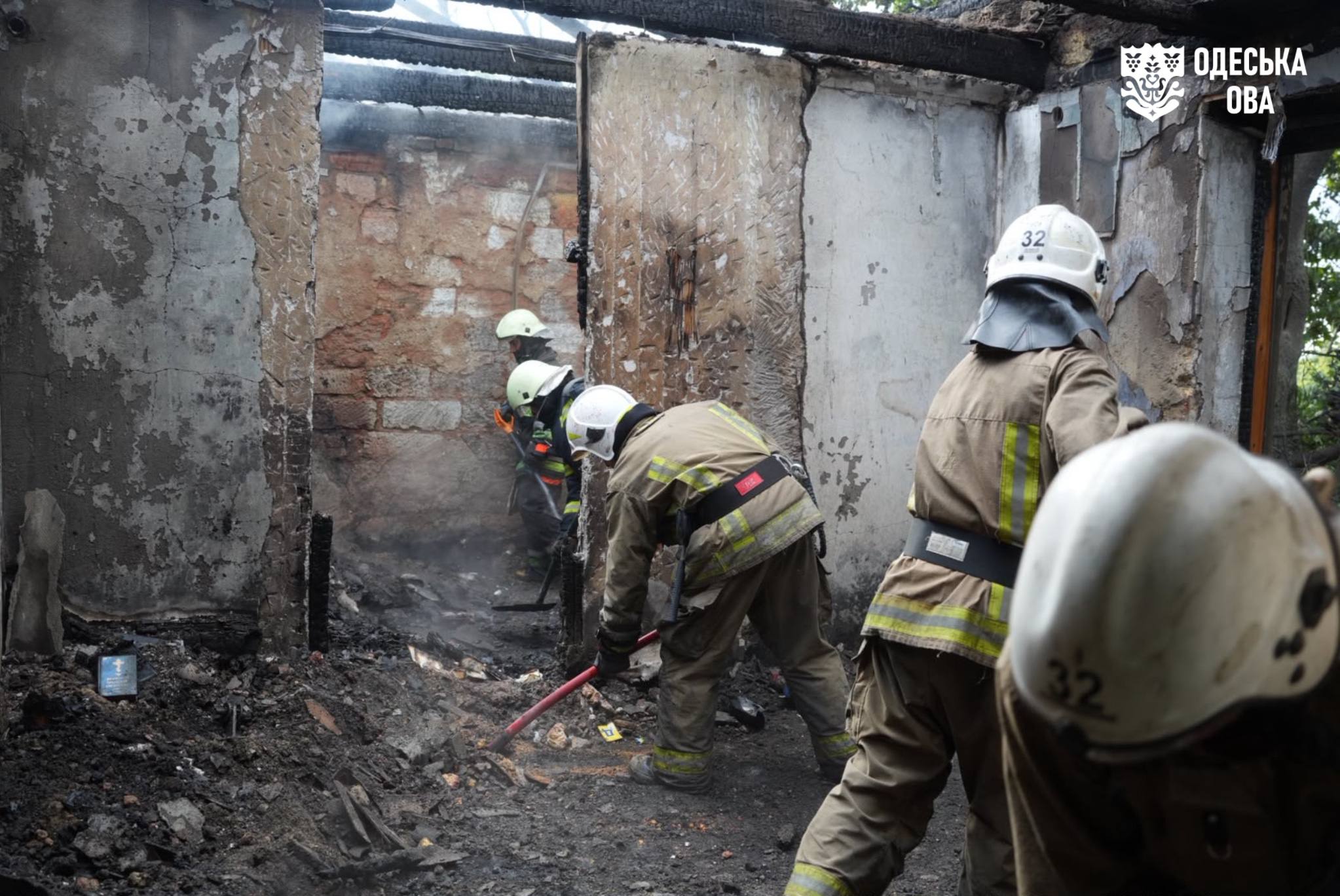
Cities such as Kyiv, Odessa and Kharkov have been particularly hard hit. The situation in the frontline areas remains extremely grave, and there is not a single safe region left in Ukraine. Among those affected are the western regions of the country: Lviv, Volyn, Ivano-Frankivsk and Chernivtsi, where, as the UN representative emphasized, the most powerful air strikes of the entire war have been recorded.
In particular, Yencha spoke about a series of recent attacks: on July 21, a metro station in Kyiv, where hundreds of people were taking refuge, a kindergarten and a residential building were damaged; on July 11, a maternity hospital was damaged in Kharkiv. On June 24 and 29, at least 21 people were killed and more than 300 were injured as a result of strikes. Damage was also recorded to schools, hospitals, residential buildings, railway transport and religious sites.
According to verified UN data, at least 13,580 civilians, including 716 children, have been killed and more than 34,000 injured since the start of the full-scale conflict in Ukraine. Miroslav Jenča stressed that ongoing violence against civilians is absolutely unacceptable. He also expressed concern about reports of civilian casualties in Russia as a result of Ukrainian drone attacks, but clarified that the UN does not have independent confirmation of these data.
Particular attention was paid to the nuclear safety threats associated with the strikes on Energodar, where the Zaporizhzhya NPP is located. On July 4, the plant lost power supply, which is causing serious concern for the international community. "A nuclear incident must be prevented at any cost," Jenca said.
The Assistant Secretary-General also stressed the importance of international support for Ukraine’s reconstruction. At the July reconstruction conference in Rome, donors pledged more than $11 billion. The UN representative called for maintaining diplomatic momentum and noted that the third round of direct talks between the Ukrainian and Russian delegations had taken place in Istanbul. He stressed the need for a full, immediate and unconditional ceasefire as a first step towards a just and sustainable peace.
In turn, UN Deputy Emergency Relief Coordinator Joyce Msuya said that the humanitarian situation in Ukraine is rapidly deteriorating. In the last 24 hours alone, five people were killed and 93 were wounded, including 11 children, as a result of strikes on Cherkasy, Kharkov and Odessa. Over the weekend, attacks on the Dnieper, Kharkov and Sumy resulted in dozens of casualties and numerous injuries, including children and patients at a rehabilitation center for the disabled.
Msuya noted that nearly 13 million people need humanitarian assistance, but the UN and its partners can only reach a small fraction of them due to funding shortages. Women and girls are particularly vulnerable, facing violence and lacking access to protection, as local women's groups are forced to scale back their work.
According to the UN, more than 26,000 people forced to flee their homes have been registered in transit centers since April. The total number of internally displaced persons has reached 3.7 million, and there are about 6 million refugees outside Ukraine.
The Deputy Coordinator also expressed concern over Ukraine’s withdrawal from the Anti-Personnel Mine Ban Convention, stressing that international humanitarian law must limit human suffering even in wartime. In addition, Msuya noted that the lack of safe access to the occupied territories remains a serious obstacle to the delivery of humanitarian aid – about 1.5 million people there receive virtually no support.
Funding shortfalls remain critical: donors have provided only 34 percent of the $2.6 billion needed for humanitarian operations in 2025, forcing cuts to even priority programs. Ahead of winter, the UN has launched a new aid plan to support 1.7 million people with heating, shelter repairs, winter clothing, and emergency power.
Joyce Msuya concluded by calling on the Security Council to protect civilians, guarantee humanitarian access and increase funding. “This war continues to cause suffering on a staggering scale. Trauma and destruction continue every day, and the resilience of civilians is stretched to the limit. But our resolve to help them must not waver,” she stressed.