Translated with AI


























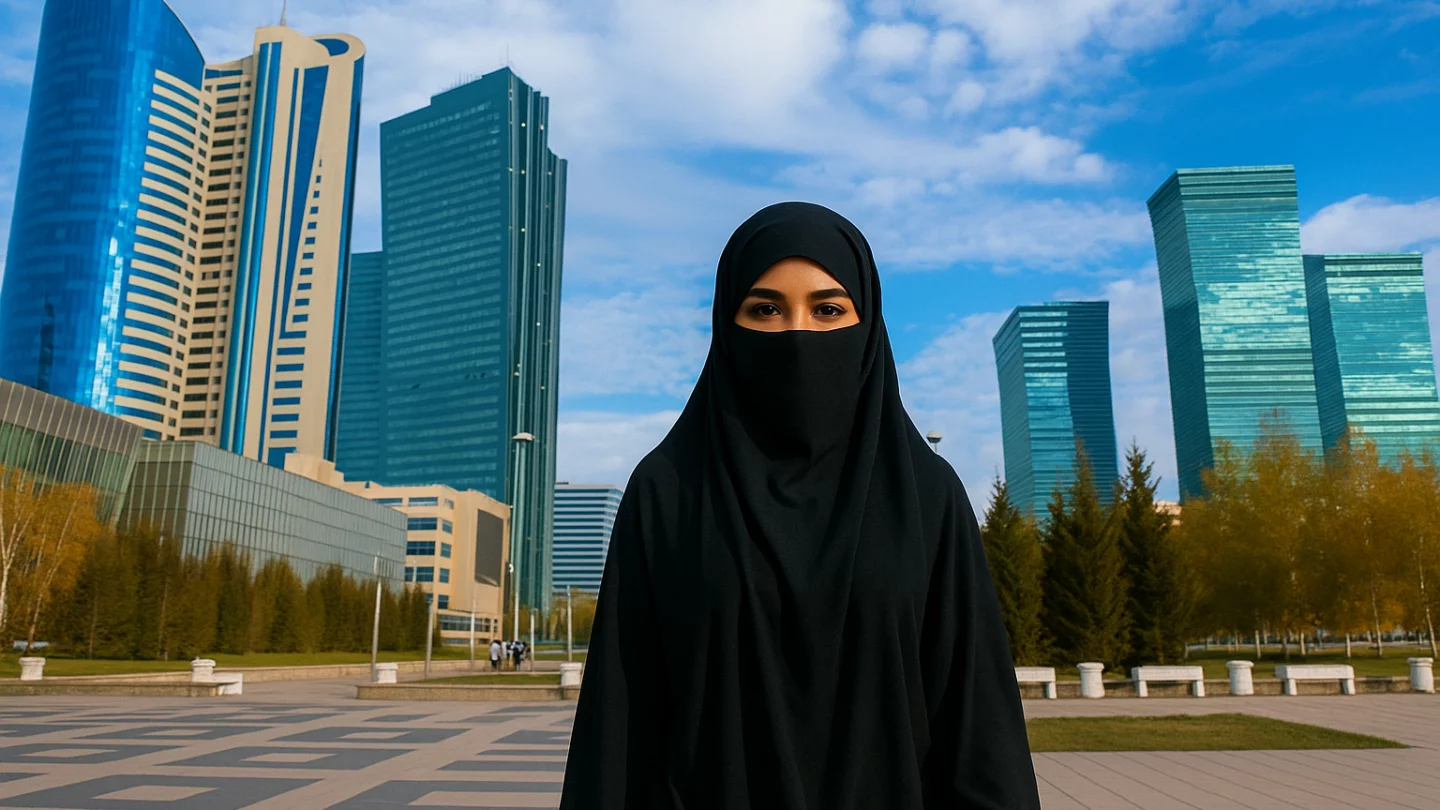
The Parliament of the Republic of Kazakhstan has approved a bill banning the wearing of clothing in public places that completely cover the face. The document has been sent to the President of the country for signature, reports the Zakon.kz agency.
The bill contains amendments to the law "On the Prevention of Offences" and proposes restrictions on wearing masks, balaclavas, and other items of clothing that impede identification. The text of the document does not directly indicate what items are being discussed, but, as experts note, religious clothing may also fall under the law, including the niqab, a traditional Muslim women's garment that completely covers the face.
The document was previously considered by the Senate, where it received approval for key provisions, but was returned to the Majilis (lower house) with amendments concerning the provision of housing to law enforcement officers. Today, the Majilis deputies agreed with the amendments and again supported the draft law. Now it will be submitted to the President of the Republic of Kazakhstan Kassym-Jomart Tokayev for signature.
According to the text of the bill, exceptions to the ban will be made in cases where clothing that covers the face is used in accordance with legal requirements, for medical reasons, for civil defense needs, under certain weather conditions, and during sporting or cultural events.
Discussions about banning religious clothing, particularly niqabs, have been ongoing in Kazakhstan for several years. In March 2024, President Tokayev described wearing the niqab as an “archaic form of clothing” that, according to him, is imposed on women by radical neophytes. The head of state stated that such manifestations contradict national traditions and represent an “open challenge” to the cultural foundations of Kazakhstani society.
The initiative to restrict the wearing of such clothing was discussed by the authorities of the republic since the fall of 2023, but the final decision was made only in the summer of 2025. If the document is signed by the President, it will enter into legal force after its official publication.