Translated with AI








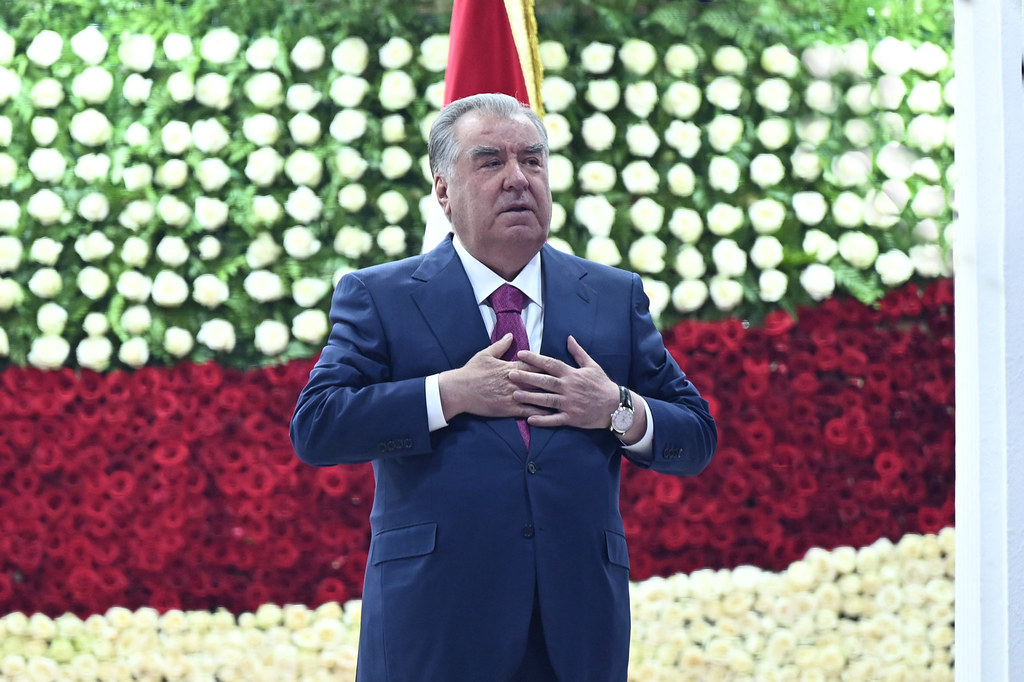









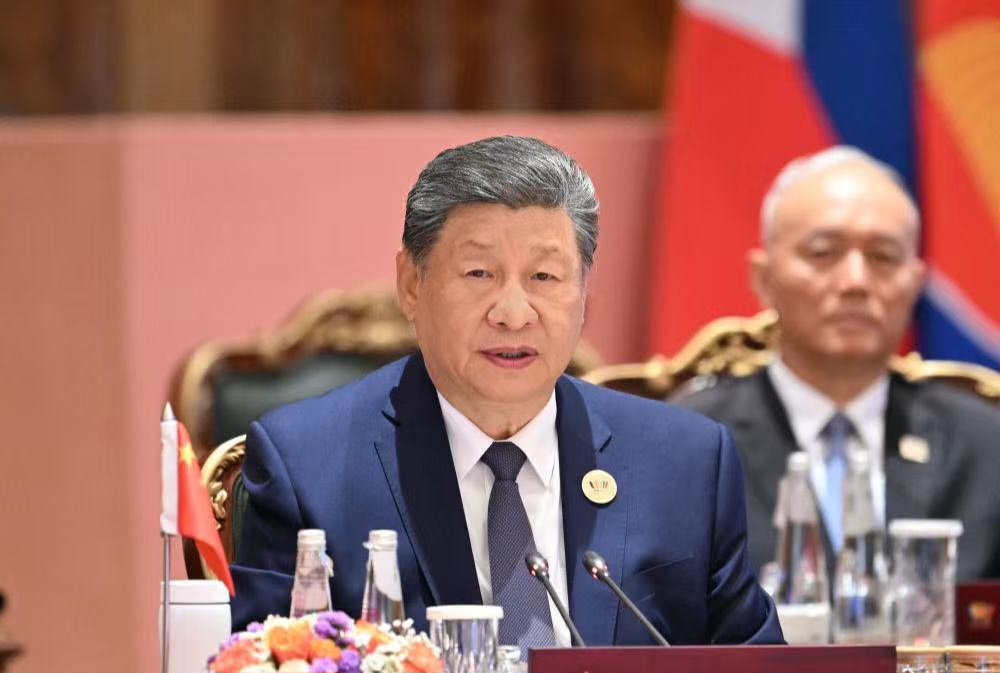
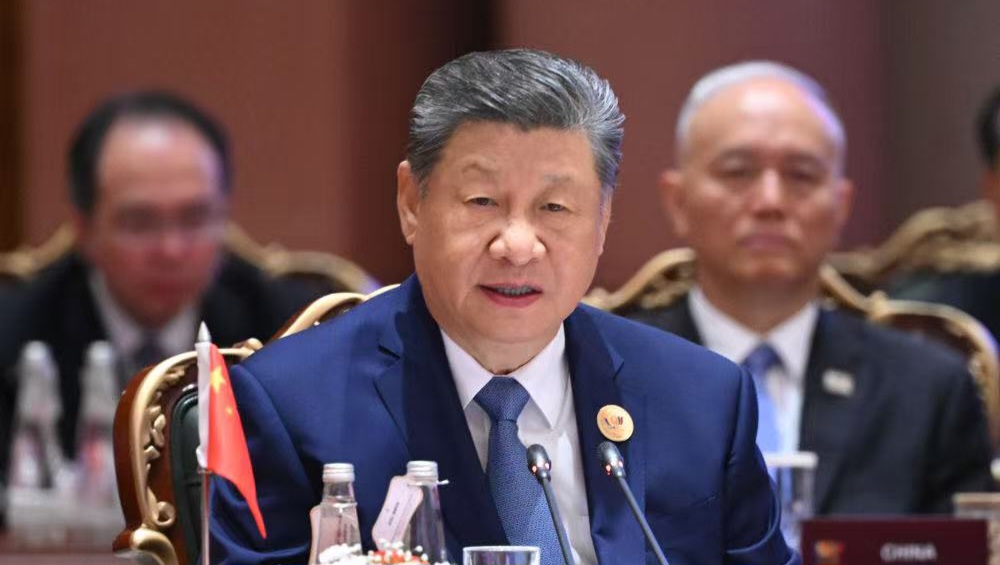






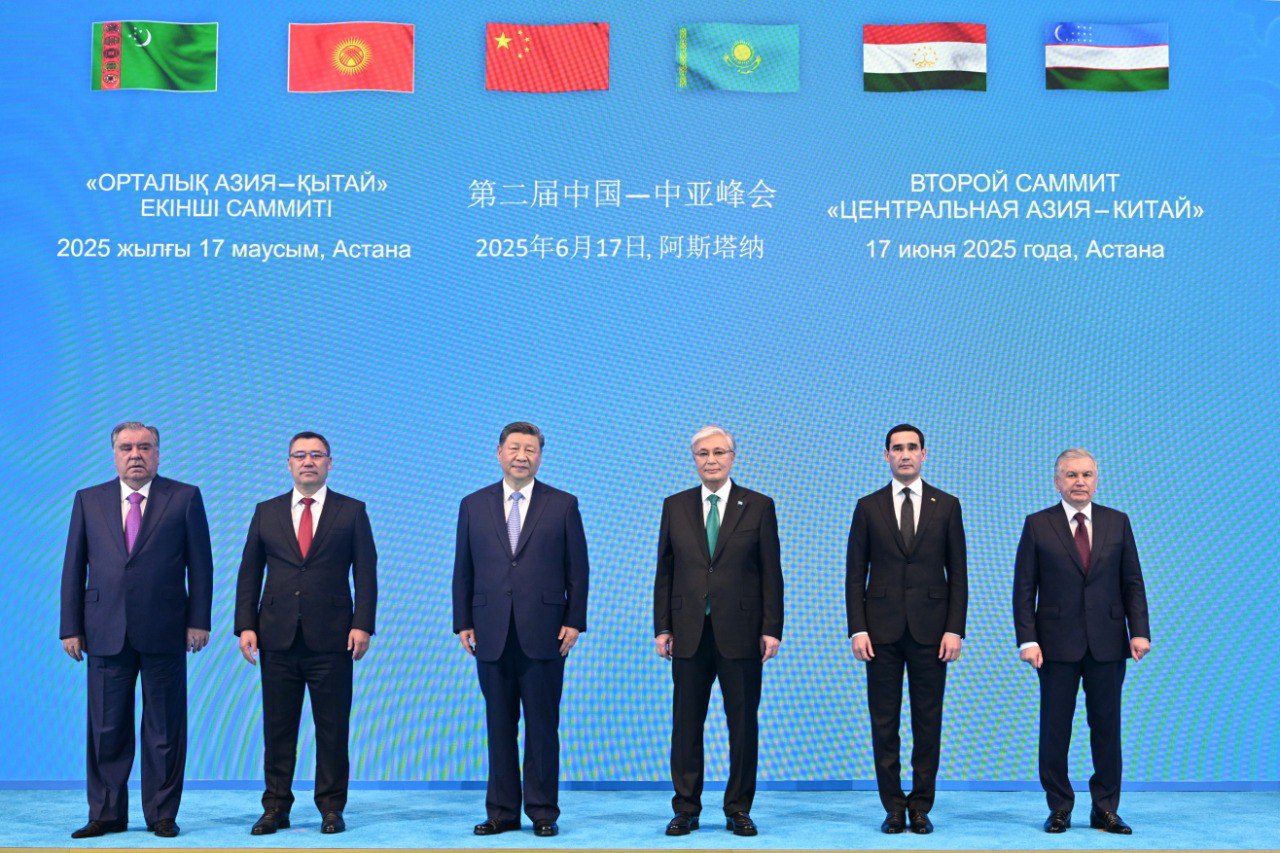
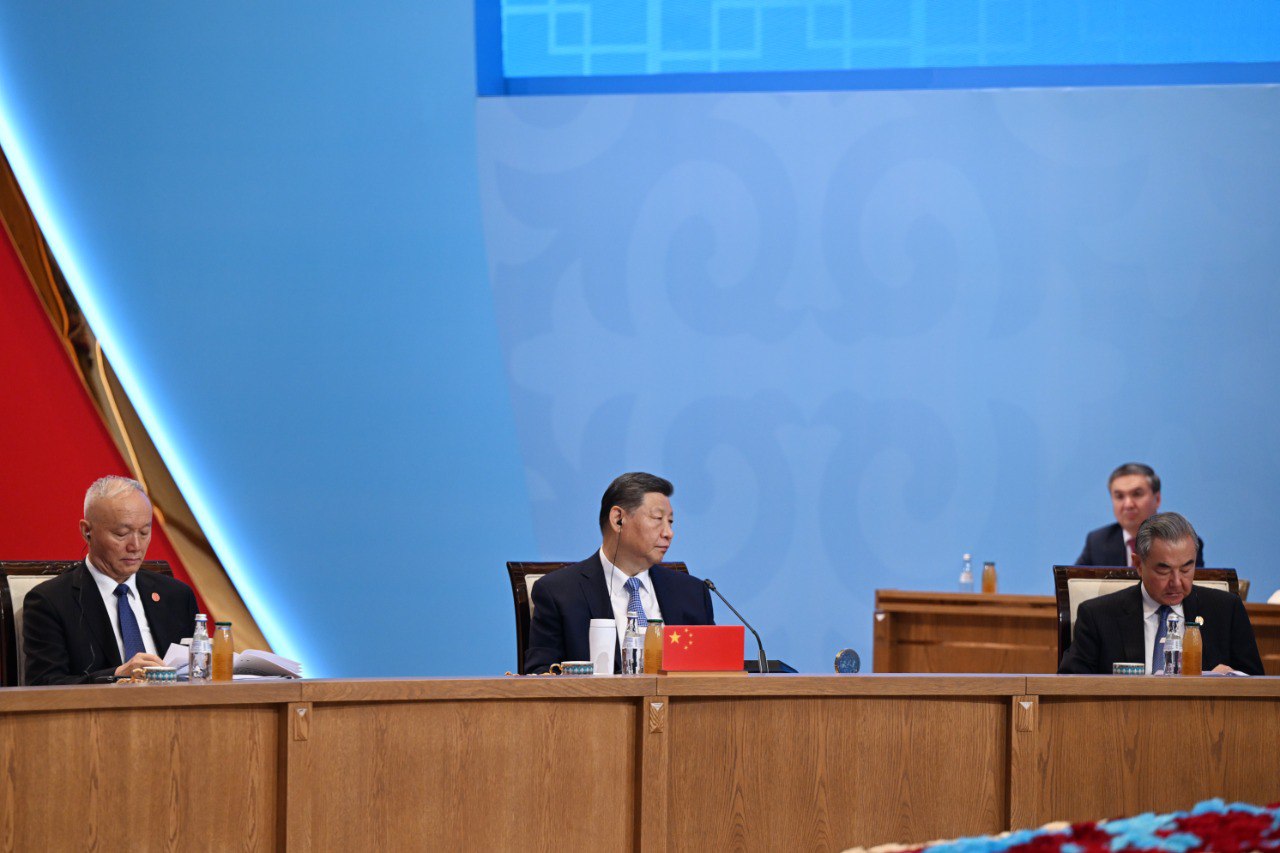
The President of the Republic of Tajikistan Emomali Rahmon took part and spoke at the Second Central Asia – China Summit, which is being held in the capital of Kazakhstan – Astana. The meeting was attended by the heads of state of Central Asia and the Chairman of the People’s Republic of China Xi Jinping.
During his speech, Emomali Rahmon noted that the “Central Asia – China” format has already proven itself as an effective platform for discussing key areas of political, economic and humanitarian cooperation, as well as coordinating efforts to ensure sustainable development of the region.
“Further strengthening of political dialogue within this format can play an effective role in achieving our creative goals both at the regional and global levels,” the Tajik leader emphasized.
Economic partnership and digital transformation
The President of Tajikistan identified economic cooperation as one of the key elements of the strategic partnership between the countries of the region and China. Particular attention was paid to the implementation of joint projects in such areas as energy (including "green" energy), industry, mineral processing, transport and logistics, and agriculture.
The head of Tajikistan called for strengthening the digitalization of the economy, the introduction of innovative business models and the development of e-commerce as factors contributing to the growth of mutual trade and investment. In this regard, he recalled the Tajik initiative put forward in September 2024 on the adoption by the UN General Assembly of a resolution on the role of artificial intelligence in development.
“The development of digital technologies and the use of artificial intelligence open up new horizons for sustainable economic growth and modernization of all spheres of life,” said Emomali Rahmon.
Transport, logistics and food security
The President stressed the need for further expansion of transport and logistics cooperation. He noted that simplification of multimodal transportation procedures and increase in mutual trade volumes are important factors for regional growth.
Emomali Rahmon also proposed to intensify efforts to ensure food security, expand agricultural exports and harmonize sanitary and phytosanitary standards. He supported the creation of industrial clusters as a tool for localizing production and attracting investment.
Glaciers, ecology and sustainable development
The President of Tajikistan recalled the importance of promoting the "Dushanbe Process for Glacier Conservation" as a platform for climate cooperation. He stressed that sustainable development is impossible without taking into account environmental challenges and protecting water resources.
Culture, youth, humanitarian interaction
The Tajik leader also paid attention to issues of cultural and humanitarian cooperation. Emomali Rahmon spoke in favor of deepening cooperation in the fields of science, education, tourism, as well as actively involving young people in modernization processes.
“We are convinced that cultural and scientific interaction between our countries will contribute to strengthening trust, friendship and mutual understanding,” he noted.
Regional stability and good neighborliness
In conclusion of his speech, Emomali Rahmon expressed confidence that the Central Asia-China format should continue to serve the cause of lasting peace and stability in the region. He supported initiatives aimed at strengthening good-neighborliness and predictability of the external environment for the countries of the region.
“We advocate further deepening cooperation in these areas in order to ensure stable and favorable conditions for future generations,” he said.
Summit results
Following the summit, a number of key documents were signed, including the Treaty on Eternal Good-Neighbourliness, Friendship and Cooperation , as well as the Astana Declaration , which enshrines the main priorities for interaction between the countries of Central Asia and China in the coming years.
In addition, the grand opening of the Cooperation Center in the "Central Asia – China" format took place remotely, which will become a new platform for coordinating joint initiatives in a wide range of areas – from economics to humanitarian ties.
In his speech, Chinese President Xi Jinping emphasized China's commitment to developing comprehensive cooperation with the Central Asian states, noting that the region remains one of the priority areas of Beijing's foreign policy.