Translated with AI
































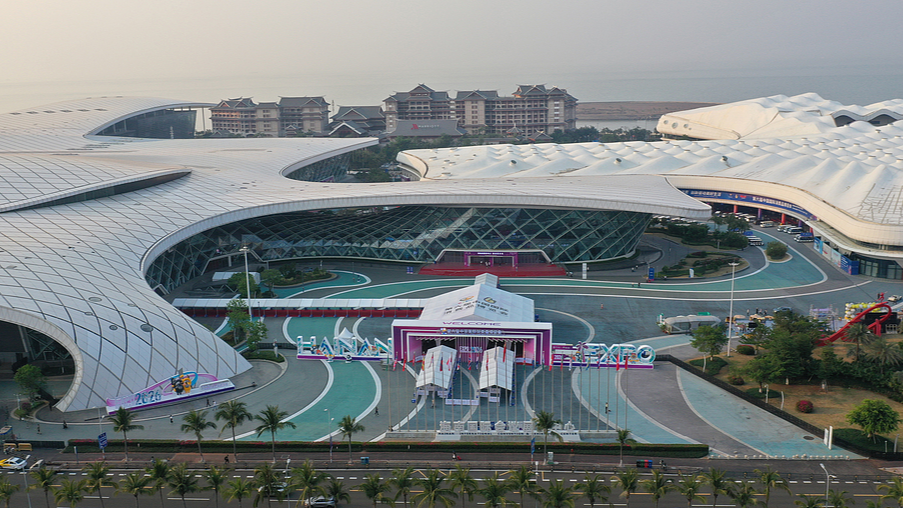
From April 13th to 18th, the sixth China International Consumer Products Expo (CICPE), also known as the Hainan Expo, is taking place in Hainan. CICPE is China's only national consumer products exhibition and the largest consumer expo in the Asia-Pacific region. This year, the Hainan International Expo Center in Haikou will remain the main venue. An international yacht show will be held in the resort city of Sanya, and a healthcare products exhibition section will open in the Lecheng International Medical Tourism Pilot Zone. The main exhibition area covers 143,000 square meters, 13,000 square meters more than last year; the share of international exhibits has grown to 65%, 20 percentage points higher than last year. The exhibition brought together more than 3,400 brands from over 60 countries and regions. The sixth CICPE is of particular significance as it is the first such exhibition in the year of the launch of China's 15th Five-Year Plan and the first exhibition after the launch of the special customs regime at the Hainan Free Trade Port.
What is interesting from Russia to Chinese buyers?
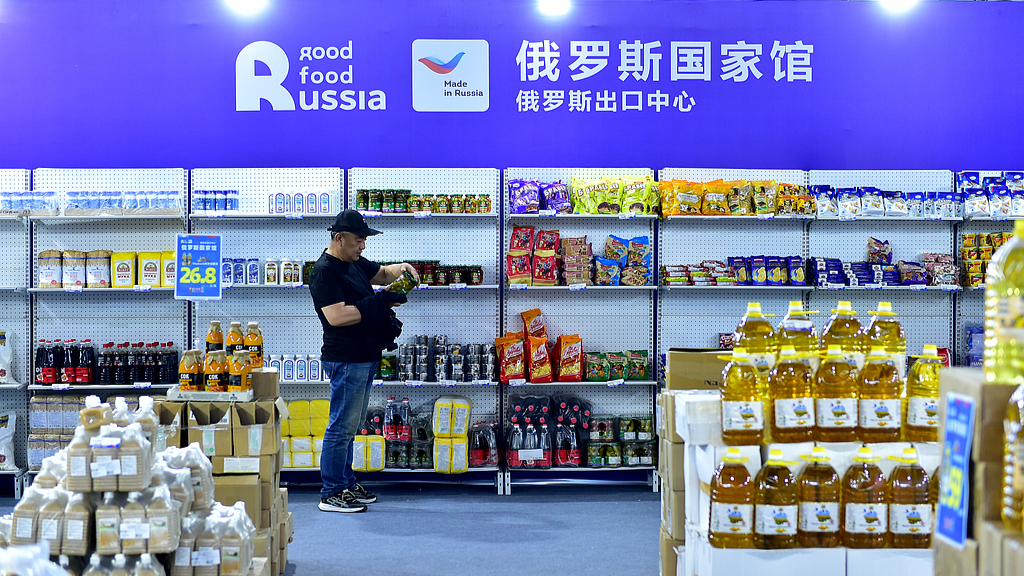
It's worth noting that this year marks the first time Russia has a separate national pavilion. Yevgeny Bazhov, head of the Russian Export Center's representative office in the People's Republic of China, announced in an interview with China Global Television Network (CGTN) that the Russian Export Center (REC) will present companies at CICPE for the first time under the national brand "Made in Russia." Fourteen Russian companies will be part of a display area of over 250 square meters at the exhibition. This year, cosmetics and dietary supplements, confectionery, and handicrafts (costume jewelry, jewelry, and paintings) will be showcased under the "Made in Russia" brand. Russian goods attract Chinese buyers primarily due to their environmental friendliness and quality. Demand for Russian products in China is steadily growing.
Speaking about the prospects for exports to China, Polina Silicheva, a representative for foreign communications at the Hainan International Media Center, believes that these primarily concern food products, which have traditionally enjoyed demand in China due to their optimal price-quality ratio and perceived eco-friendliness. No less attractive is the cosmetics niche, especially skincare products with natural ingredients and scientifically proven formulas. Products from Russian brands focusing on organic ingredients, herbal extracts, and hypoallergenic lines are already available on major Chinese marketplaces, but their presence remains limited. At the same time, Chinese consumers are showing growing interest in premium food products, dietary supplements, energy-saving innovations for the home, and sustainable development solutions. There may also be some demand for culturally specific products—products that emphasize a connection to Russian culture—as demand in China for products with a distinct identity is growing.
How does new demand create new supply?
The Hainan Expo is not only a global hub for buying and selling, but also the best vantage point for observing future trends in China's consumer market. The event focuses on new types of consumption—green, healthy, digital, and intelligent. More than 200 new products are expected to be unveiled this year, double the number last year. The exhibition offers a unique opportunity to capture the most current demand and explore a wide range of offerings. Consumer demand in China is renewing, supply is transforming, and these two processes are mutually reinforcing, creating a favorable environment that serves as an internal driver of sustainable consumer market development. At the exhibition, it's easy to find examples illustrating the principle of "new supply creates new demand, and new demand drives new supply." Let's also highlight the yacht show—a separate section of the sixth CICPE, which will be held from April 15 to 18 at the Sanya International Yachting Center. This cutting-edge show will feature over 90 Chinese and international yacht and equipment manufacturers, with international brands accounting for over 70%. The total number of vessels on display will reach 200, including 15 vessels debuting in the Chinese market and six superyachts over 80 feet in length. The exhibition will feature a dedicated area for yachts powered by new energy sources, as well as themed experiences such as "yachting + wedding" and "yachting + fishing," shaping the new "yachting lifestyle" trend.
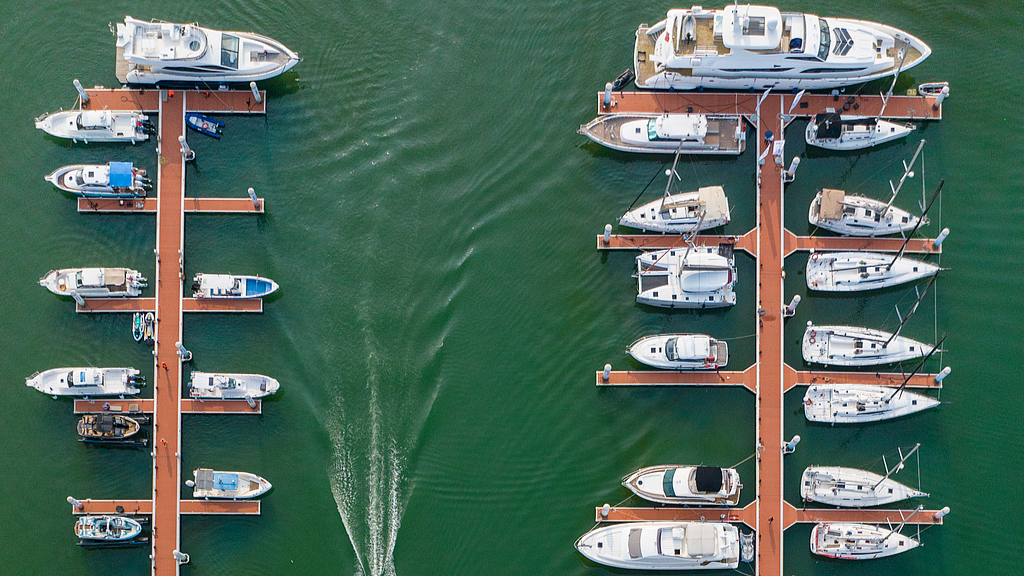
China has abundant maritime tourism resources, and demand for yachts in the Chinese market is steadily growing, demonstrating enormous potential. By the end of 2025, 9,850 active yachts were registered in China, with approximately 54.7% of these registered in the past three years. In other words, the number of yachts added in the past three years exceeds the combined total for all previous years. China's Ministry of Transport is rapidly developing measures to expand yachting consumption, facilitating the yachting industry's transition to mass, large-scale development. As the world's largest consumer market begins to discover what was previously considered a "niche" product, the energy released becomes multifaceted and profound.
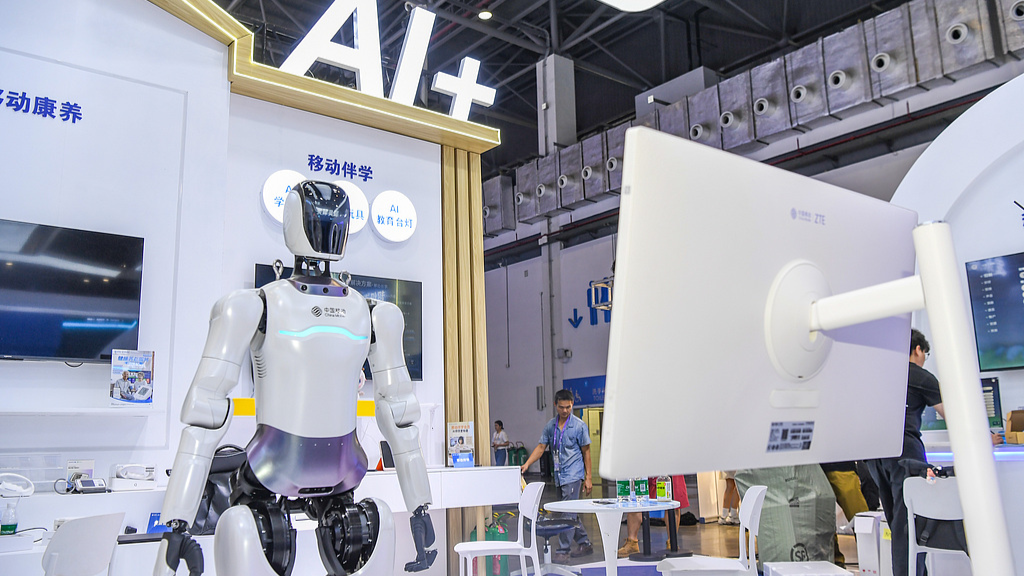
At CICPE, global trends meet real demand. Cutting-edge technological innovations will also be showcased at this year's CICPE: AI-enabled smart glasses, flying cars (capable of both land and air travel), AI robots, and intelligent sports equipment. The "Chinese National Style" pavilion draws global attention to renowned Chinese traditional products and industries—porcelain, silk, traditional Chinese medicine, and the cultural and creative output of museums. From technological consumption to cultural consumption, from the consumption of material goods to the consumption of services—the map of Chinese consumer preferences is rapidly expanding. New demand leads to new supply, and new supply creates new demand. New consumer preferences give rise to new products, which in turn awaken new expectations.
A virtuous circle: CICPE and free trade port policy
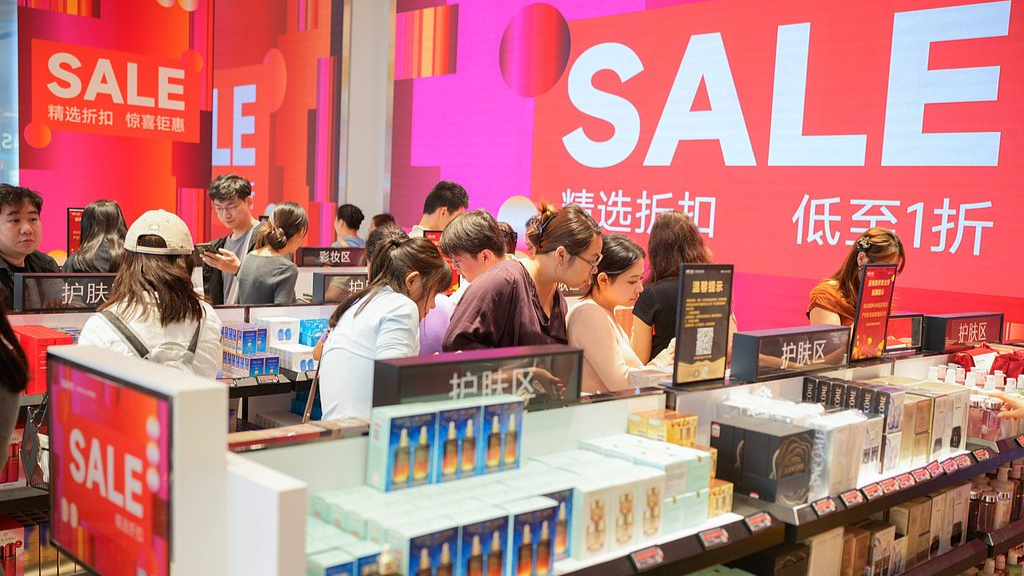
Consumer demand is the internal, fundamental driver of the market, and institutional advantages are the key mechanism that triggers, unlocks, and strengthens this driving force. Since the introduction of the special customs regime in Hainan, the share of goods with zero duties has increased from 21% to 74%, with a total of 6,631 goods completely exempt from duties. In the first 100 days after the launch of the special customs regime, the number of newly registered foreign trade enterprises reached 7,503, an increase of 65.7% compared to the same period last year; the total number of new enterprises with foreign investment was 737, an increase of 33.5%. During these 100 days, Hainan received 861,000 passengers from abroad, an increase of 36.3% compared to the previous year. Of these, 217,000 people entered visa-free—an increase of 54.2%. To date, Hainan Free Trade Port has attracted investment from 180 countries and regions, 86 countries enjoy visa-free entry, and has established partnerships with 43 free trade zones (ports) around the world.
According to Polina Silicheva, a representative of the Hainan International Media Center for Foreign Communications, Hainan, acting as a free trade zone, significantly simplifies logistics and customs clearance, making it a convenient launchpad for Russian companies to enter not only the mainland Chinese market and the markets of Southeast Asia, but also the Asia-Pacific region.
The special customs regime lowers the entry barrier for international goods into the Chinese market, allowing "showcase samples" at CICPE to more quickly transform into "real goods." CICPE, in turn, becomes a "stress test field" and a "results showcase" for this policy, allowing global companies and consumers to experience firsthand the dynamics and effectiveness of Hainan's openness.
(By CGTN correspondent Li Zheya)