Translated with AI
































The blockade of the Strait of Hormuz could reduce global economic growth in the second quarter by 2.9 percentage points year-on-year, Bloomberg reports, citing calculations from the Federal Reserve Bank of Dallas.
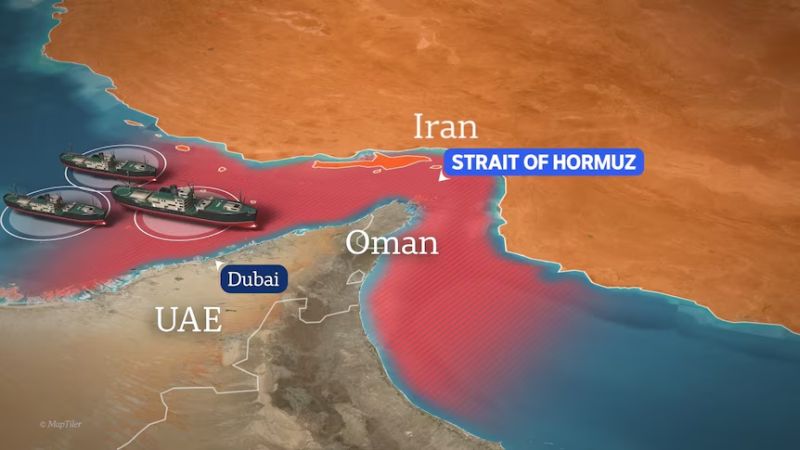
According to the source, the strait has been effectively closed to international shipping since February 28, the start of the US-Israeli war against Iran. Against this backdrop, the price of a barrel of Texas-produced WTI crude has already exceeded $97.
Researchers at the Federal Reserve Bank of Dallas modeled several scenarios depending on the duration of the blockade. If shipping resumes within one quarter, oil prices could fall to $68 per barrel, and GDP growth would increase by 2.2 percentage points.
If the blockade remains in place for two quarters, oil prices could rise to $115 per barrel in the third quarter, before falling to $76 by the end of the year. If the strait remains closed for three quarters, oil prices could reach $132 per barrel by the end of the year.
It's noted that rising oil prices are not the only thing putting pressure on the economy, but also the impact they have on consumer demand. Specifically, US residents are already cutting back on other spending categories due to higher fuel prices, reducing their travel, and lining up at gas stations to save money.
The average price of a gallon of diesel fuel in the United States has exceeded $5 for the first time in history, which has a significant impact on the country's economy, as diesel is used in almost every industry.
Meanwhile, Iran's "shadow fleet" continues to ship oil through the Strait of Hormuz, while shipping through it is effectively blocked for other countries. According to vessel tracking services TankerTrackers and Kpler, Iran has exported approximately 1.1–1.5 million barrels of oil per day since the start of the war.