Translated with AI


































Wang Yue (CGTN): A historic event is unfolding in Johannesburg: for the first time in history, the G20 summit is being held on the African continent. This landmark event is of particular significance not only for Africa, but for the entire Global South. Starting in 2022, the G20 presidency will successively pass to developing countries—Indonesia, India, and Brazil—significantly strengthening the voice of the Global South in key decision-making.
The motto of this year's summit—"Solidarity, Equality, Sustainable Development"—reflects three key principles guiding the interaction of participating countries. These values are reflected in the Global Governance Initiative, launched by President Xi Jinping at this year's SCO Plus meeting, and resonate with the development vision enshrined in the African Union's Agenda 2063.
China and African countries are driving the "Global South," consistently defending the central role of the UN in the international system and promoting the principles of multipolarity and democratization of international relations. Drawing on its own development experience and advanced concepts, China is actively promoting the narrowing of the gap between developed and developing countries within the G20, thereby strengthening the representation of the "Global South." Today, countries of the South are becoming a key force shaping the renewed G20 architecture.
China's constructive role in the G20 is evident in its active participation in reforming the global governance system. The successful G20 summit in Hangzhou in 2016 marked a turning point from crisis response to long-term transitional governance. At subsequent summits, China has consistently adhered to the concept of a "Community with a Shared Future for Humanity," advanced Chinese approaches to global governance, and consistently promoted open cooperation, innovative growth, and inclusive development, demonstrating the responsibility of a major player on the global stage.
Through years of active participation and consistent contributions, China has evolved from a key G20 member to a key force shaping the transformation of global governance. It consistently contributes Chinese wisdom and practical energy to global economic development and global governance reform.
The G20 is the leading forum for global economic governance, accounting for 85% of global GDP and 75% of international trade. However, the current international environment is characterized by growing negative trends. Unilateralism and protectionism are on the rise, complicating cooperation between countries. The situation is exacerbated by growing disagreements between participants and the constant distraction of geopolitical conflicts. Ultimately, all this significantly limits the potential for effective multilateral cooperation.
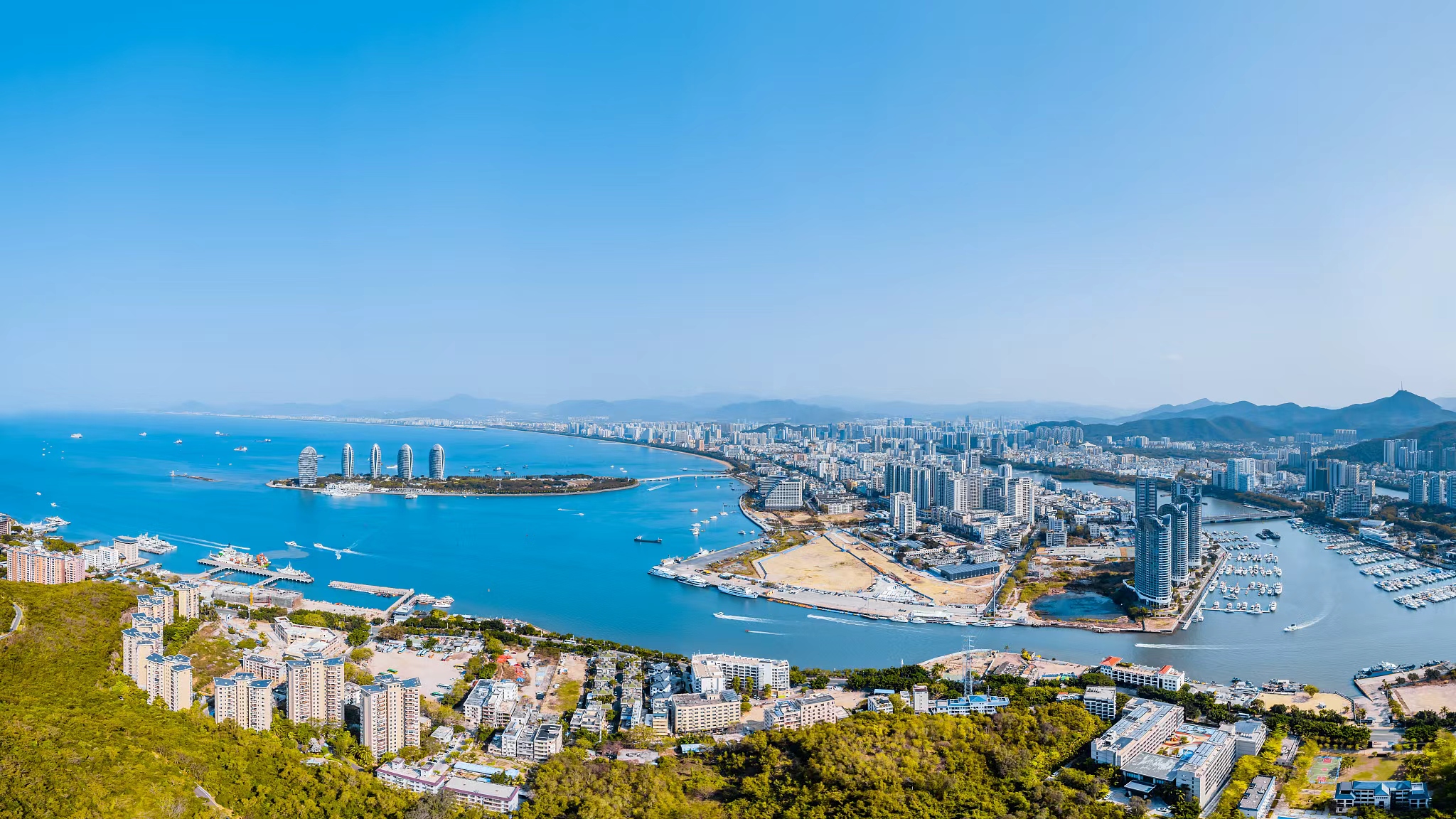
As the world's second-largest economy and the fastest-growing major market, China is firmly committed to a high degree of openness and actively integrating into the global economy. The country is consistently expanding international cooperation, stimulating global economic growth. From the ongoing reduction of the negative list for foreign investment in pilot free trade zones to the official launch of independent customs operations on the entire island of Hainan (scheduled for December 18, 2025), China is sending a clear signal to the world of its commitment to openness. It is not only improving market access mechanisms but also consistently expanding its spheres of international cooperation, sharing the benefits of its development with all partners.
In the context of profound transformations in the global political and economic landscape, the G20 summit, as the leading forum for international economic cooperation, has an important mission to build consensus, coordinate actions, and respond to global challenges. China stands ready to work with other countries to strengthen unity and cooperation, jointly address challenges, promote improved global economic governance, and make a significant contribution to stimulating global economic growth and prosperity for all countries.