Translated with AI





























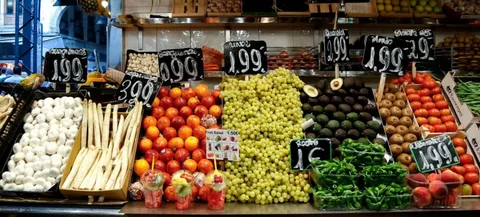
The sharp rise in global food prices between 2020 and 2024 has become a “perfect storm” that has exposed the deep vulnerabilities of global agri-food systems, according to a report released Tuesday by the UN Food and Agriculture Organization (FAO). The report was presented by FAO Chief Economist Maximo Torero, the press service of the Organization reports.
According to him, such a sharp and prolonged jump in food prices has been observed only once in modern history – in the 1970s. “The pandemic, geopolitical conflicts and climate shocks have overlapped at the same time, creating conditions of unprecedented instability,” Torero noted.
Price increase and its reasons
According to the report, three main factors were responsible for the historic price jump:
COVID-19 pandemic (2020): Massive fiscal stimulus measures equivalent to 16 percent of global GDP boosted demand while reducing supply. This was one of the early causes of inflationary pressures.
War against Ukraine (since 2022): The two largest exporters of grain, sunflower oil and fertilizers have found themselves at war, disrupting trade and increasing the prices of fuel and raw materials.
Climate disasters: droughts, floods and extreme heat have reduced production in a number of key agricultural regions.
By January 2023, global food inflation peaked at 13.6 percent, and in some poor countries, it reached 30 percent. Despite a slowdown in price growth in the second half of 2023, in 2024 they only returned to the levels of five years ago.
Implications for food security
Rising food prices have had a severe impact on the poorest and most vulnerable. In 2022, real wages fell by 0.9 percent, while food prices rose. Families switched en masse to less nutritious foods, reduced the number of meals, and gave food to adult men at the expense of children and women. Acute malnutrition increased among children under five.
Africa has been hit hardest: in 2024, two-thirds of the continent's population could not afford a healthy diet.
In low-income countries, the number of people unable to buy nutritious food continues to grow. The situation has also worsened in countries with high dependence on food imports and weakening currencies, making buying food in dollars even more expensive.
What to do next
FAO proposes five key strategies to prevent similar crises in the future:
Targeted support: temporary social assistance programs aimed at vulnerable groups without long-term fiscal risks.
Removing trade restrictions: Opening markets helps stabilize the situation.
Policy coherence: Coordination of fiscal and monetary measures is particularly important for countries with high debt.
Market transparency: Developing information systems in agriculture helps reduce uncertainty and build trust.
Institutional readiness: countries with resilient governance and crisis management infrastructure respond more quickly and effectively.